
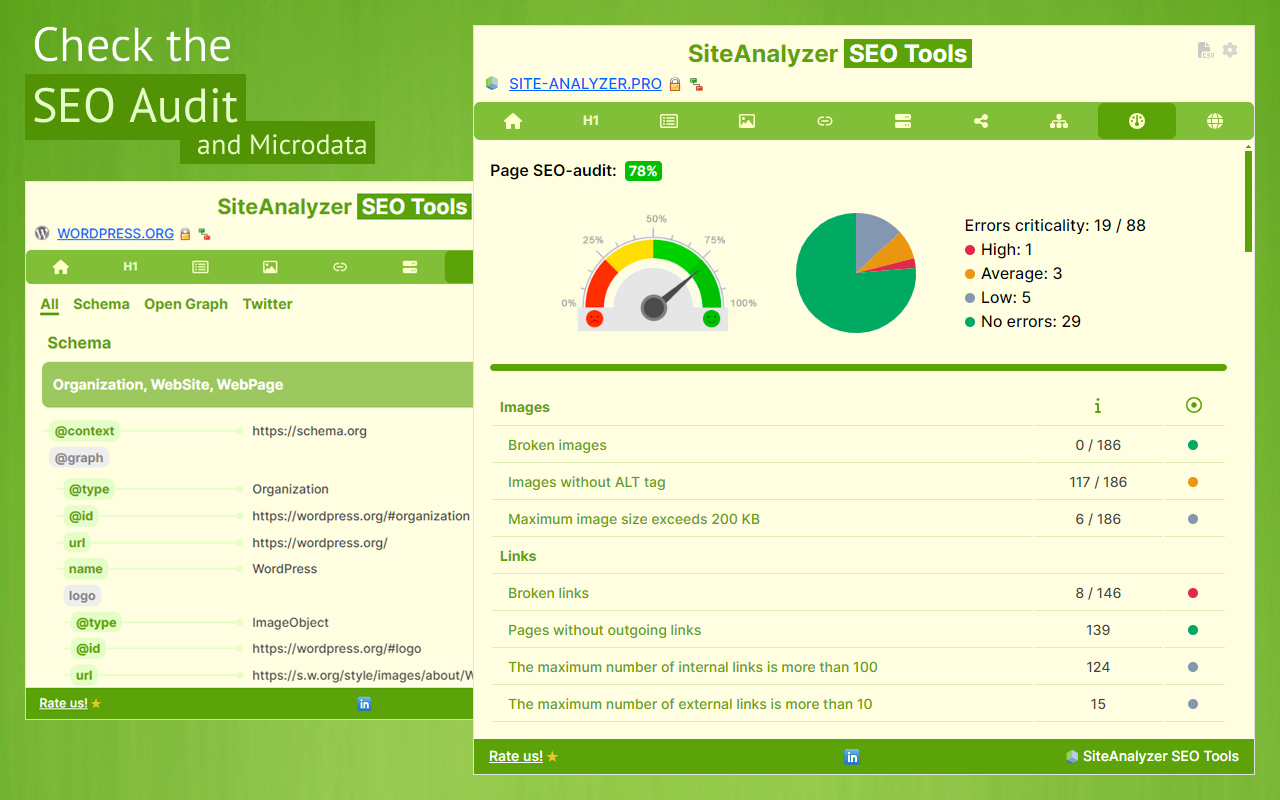
Local SEO Analyser: How to Check and Improve Your Local Search Visibility
A local SEO analyser is a tool that helps businesses assess how well they appear in search results for location-based queries. It can highlight issues affecting visibility on Google and other search platforms, from inconsistent business details to missing local content.
Whether you run a shop, restaurant, trades business or professional practice, analysing your local SEO can help you understand what is working and where to focus next. The tool provides useful evidence, but meaningful improvements still depend on accurate information, relevant content and a good customer experience.
What does a local SEO analyser check?
Features vary between tools, but a local SEO analyser may review the following areas:
- Business listings: Whether your name, address and phone number are accurate and consistent across directories.
- Google Business Profile: Whether key details, categories, opening hours, services and photos are complete and up to date.
- Local rankings: Where your website or business profile appears for relevant searches in a particular area.
- On-page signals: Whether pages include useful location information, clear contact details and relevant titles and headings.
- Reviews: The quantity and recency of customer reviews, and whether you respond to them.
- Technical SEO: Issues such as slow loading, mobile usability problems, broken links and pages that search engines cannot access.
- Local competitors: How competing businesses present themselves online and which areas they may be targeting.
Why use a local SEO analyser?
Local search can connect people with businesses that serve a specific area. Someone searching for “plumber in Bristol” or “coffee shop near me” is often looking for a nearby option. A local SEO analyser can help you spot practical improvements that make your business easier to find and understand.
It can also save time. Rather than checking every listing, page and search result manually, you can use a report to identify potential problems and prioritise them. Regular analysis makes it easier to track changes, although rankings can fluctuate by location, device, competition and search context.
How to use one effectively
- Set a clear goal. Decide whether you want to improve visibility in a town, promote a particular service or correct inaccurate business information.
- Enter accurate details. Use your real business name, address, phone number and website. If you serve customers at their location rather than from a public premises, follow the relevant platform guidelines for service-area businesses.
- Choose relevant search terms. Include the services you provide and the locations you genuinely serve. Avoid targeting places where you do not operate.
- Review the findings. Separate important issues from minor suggestions. Incorrect contact information or an incomplete business profile may deserve attention before a small technical warning.
- Make changes carefully. Update information at its source and check that changes are reflected consistently across important platforms.
- Measure progress. Recheck your visibility over time and compare like with like, using the same locations, search terms and reporting settings where possible.
Common issues a local SEO analysis may uncover
Inconsistent business details
Different phone numbers, addresses or business names across directories can confuse customers and make it harder to maintain accurate listings. Choose an official format for your details and use it consistently. Do not create listings for addresses where your business is not eligible to appear.
An incomplete business profile
Missing opening hours, outdated services or an unsuitable primary category can leave potential customers with an incomplete picture. Review your profile regularly, especially after a change to your services or operating hours.
Thin or generic location pages
Adding a town name to a page is not enough to make it useful. Location pages should provide genuine information for customers, such as services available in that area, relevant contact details and practical local information. Avoid creating large numbers of near-identical pages.
Unmanaged customer reviews
Reviews can help people decide whether to contact a business. Encourage genuine customers to share honest feedback, follow the platform’s rules and respond politely. Never buy reviews or offer incentives in exchange for positive ratings.
Mobile and technical problems
Many local searches happen on mobile devices. Check that your website works well on smaller screens, loads promptly and makes it easy to call, request directions or enquire. A local SEO analyser may flag technical issues, but a developer may be needed to diagnose or fix complex problems.
What a local SEO analyser cannot tell you
A tool is a guide, not a guarantee of higher rankings or more customers. Reports may use different data sources, update schedules and scoring systems, so results from one analyser may not match another. Search positions also vary depending on the searcher’s location and other factors.
Use recommendations as prompts for investigation rather than instructions to follow blindly. The best changes are those that improve accuracy, accessibility and usefulness for real customers—not simply those that increase a software score.
A practical local SEO checklist
- Confirm your business details and opening hours are correct.
- Complete and maintain your Google Business Profile.
- Use clear, helpful pages for your services and locations.
- Make your website easy to use on mobile devices.
- Keep important directory listings accurate.
- Invite genuine customer feedback and respond professionally.
- Track relevant searches and enquiries over time.
Frequently asked questions
Is a local SEO analyser suitable for small businesses?
Yes. It can help a small business identify straightforward improvements, such as correcting a phone number or completing a business profile. Start with a few meaningful actions rather than trying to address every recommendation at once.
How often should I analyse my local SEO?
A monthly or quarterly review is sufficient for many businesses. Check sooner if you move premises, change your phone number, add a service or notice a sudden change in enquiries or visibility.
Do I need a separate page for every town I serve?
Not necessarily. Create a location page only when it can offer useful, distinct information. A collection of nearly identical pages made solely to target place names can frustrate visitors and may not help your search performance.
Make local SEO analysis part of an ongoing routine
A local SEO analyser can give you a clearer view of your online presence and help you decide what to improve. Use it alongside accurate business information, genuinely useful website content and attentive customer service. Consistent, customer-focused work is a more dependable foundation for local visibility than chasing a perfect score.
Frequently Asked Questions About Local SEO Analysers: Tools, Measurement, Practices, and Costs
- What is local SEO tools?
- How is local SEO measured?
- How do I practice local SEO?
- Is Surfer local free?
What is local SEO tools?
Local SEO tools help businesses improve their visibility in location-based search results. They can be used to check local rankings, manage business listings, monitor customer reviews, research location-specific keywords and identify website issues. The right tools make it easier to keep business information accurate and understand where improvements may be needed, but they cannot guarantee higher rankings; useful content and a positive customer experience remain essential.
How is local SEO measured?
Local SEO is measured using a combination of signals, rather than a single score. A local SEO analyser may track your visibility in location-based search results, Google Business Profile performance, website visits and enquiries, as well as the accuracy of your business details across directories. Reviews, local website links and engagement—such as calls, direction requests and bookings—can also provide useful insight. Because rankings vary by searcher location and other factors, compare results over time using consistent locations, search terms and reporting methods.
How do I practice local SEO?
To practise local SEO, make sure your business name, address, phone number and opening hours are accurate and consistent across your website and online listings. Keep your Google Business Profile complete, choose relevant categories, add clear information about your services and service area, and encourage genuine customer reviews. Create helpful website content for the locations you actually serve, ensure your site works well on mobile, and use a local SEO analyser to spot issues and track progress. Review your results regularly, but prioritise improvements that help customers rather than focusing only on ranking scores.
Is Surfer local free?
Surfer Local is not generally a fully free service; access to its features may require a paid Surfer subscription or another paid plan. Surfer may offer free tools or limited access from time to time, so check its official pricing page for the latest options before signing up.