
Search Engine Ranking Results: What They Mean and How to Improve Them
Search engine ranking results determine where a webpage appears on a search engine results page (SERP) for a particular query. A higher position can make a page more visible to potential visitors, but rankings are only one part of effective search engine optimisation (SEO). The most useful results are those that attract the right audience and help them achieve what they came to do.
What are search engine rankings?
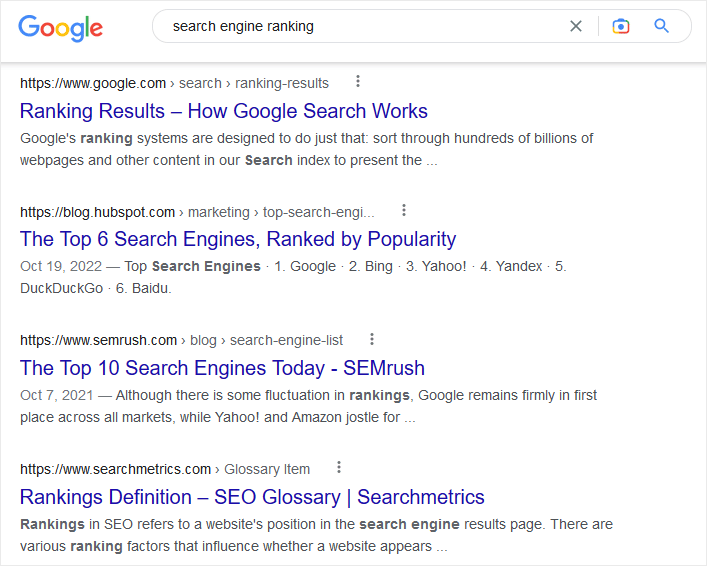
When someone enters a query into a search engine, the engine presents a list of results it considers relevant and useful. A page’s ranking is its position within those results. Rankings can differ depending on the search query, the user’s location, the device they are using and other contextual factors.
There is no single ranking for a website. One page might appear prominently for a specific phrase but much lower for another. Search engines also show different types of results, including organic listings, local results, images, videos and featured answers. These features can affect how much space traditional organic listings receive.
Why rankings matter
Higher rankings can improve a page’s visibility and increase the opportunity to earn visits. However, position alone does not guarantee traffic or business results. A listing needs to match the searcher’s needs, communicate its value clearly and lead to a useful page.
For this reason, businesses should look beyond rankings and consider measures such as organic visits, relevant enquiries, sales, engagement and the value generated by search traffic.
What influences search engine ranking results?
Search engines use automated systems to assess and order pages. The exact systems are complex and change over time, but several broad considerations are important:
- Relevance: The page should address the subject and intent behind the search query.
- Useful, reliable content: Clear, original information that demonstrates appropriate knowledge can help users and search engines understand a page’s value.
- Page experience: Pages should load reliably, work well on mobile devices and be easy to navigate.
- Accessibility and technical health: Search engines need to be able to discover, crawl and understand a site’s pages. Clear structure and descriptive links can help.
- Reputation and links: Links from other relevant, reputable websites may help search engines assess a page’s prominence. Quality and context matter more than simply accumulating links.
- Freshness: For topics where current information matters, keeping content accurate and up to date can be important.
No single tactic guarantees a particular position. Search engines consider many signals, and results can change as their systems, competing pages and searchers’ needs evolve.
How to check ranking results
Use a search performance tool to review the queries that bring people to your site, the pages receiving impressions and clicks, and how their average positions change over time. Rank-tracking tools can also help monitor selected search terms, but their figures should be treated as estimates rather than universal rankings.
Search results may vary by location, device and personal context. A manual search from one computer is therefore not a dependable way to judge how a page performs for everyone. When reviewing data, compare like with like: use a consistent location, device type, date range and set of queries where possible.
Ways to improve your rankings
- Understand the search intent. Work out whether people want an explanation, a comparison, a local service or a particular product. Shape the page around that need.
- Create genuinely helpful content. Answer the main question clearly, add relevant detail and make the information easy to scan. Avoid padding content simply to make it longer.
- Improve page titles and headings. Use accurate, descriptive wording so readers can quickly understand what a page covers.
- Strengthen internal links. Link related pages using clear anchor text. This helps visitors navigate and can help search engines discover important content.
- Resolve technical problems. Check for broken links, accidental indexing restrictions, duplicate pages, slow loading and mobile usability issues.
- Earn relevant mentions and links. Publish work worth citing, build relationships in your field and promote useful resources. Avoid schemes that promise large numbers of links.
- Review and update content. Correct outdated details, improve weak sections and make sure the page still meets the needs of its audience.
Why rankings can change
Ranking fluctuations are a normal part of search. A position can move because a search engine has updated its systems, a competitor has improved a page, demand for a topic has changed or the results are being adjusted to suit a different context. Short-term movement does not always signal a serious problem.
If performance drops, check for a sustained change across relevant queries and pages. Review recent site updates, technical issues, changes in search demand and the quality of competing results before making major changes. A measured diagnosis is usually more useful than reacting to a single day’s figures.
Focus on outcomes, not positions alone
Search engine ranking results are valuable indicators, but they are not the end goal. A successful SEO strategy helps the right people find accurate, useful pages and supports meaningful outcomes for a business or organisation. By combining careful measurement with a strong focus on users, site owners can make informed improvements and build lasting organic visibility.
Search Engine Rankings and Results: 10 Frequently Asked Questions
- Is an SEO score of 92 good?
- When ranking websites on search engine results page?
- How do I rank a website on Google?
- Is it possible to rank #1 on Google?
- Which search engine has the most results?
- What is the use of search rank?
- How is search engine ranking determined?
- Who has the best search engine?
- Which search engine gives the best results?
- How do you evaluate search rankings?
Is an SEO score of 92 good?
An SEO score of 92 is generally a strong result, but what it means depends on the tool and the factors it measures. SEO scores are usually third-party estimates of on-page or technical health; they are not Google rankings, and a high score does not guarantee strong search visibility. Check the specific recommendations behind the score, prioritise issues that affect users or prevent search engines from accessing and understanding your pages, and assess performance using measures such as relevant organic traffic, enquiries and sales.
When ranking websites on search engine results page?
Search engines rank websites whenever a user enters a query, selecting and ordering pages they consider relevant and useful for that search. Rankings can change over time as search algorithms are updated, new content is published, and users’ needs or search contexts vary. There is no single fixed position for a website: results may differ by query, location and device.
How do I rank a website on Google?
To rank a website on Google, create useful, original content that meets the needs behind the searches you want to appear for, and make sure your pages are easy to find, understand and use. Use clear page titles and headings, organise your site logically, ensure it works well on mobile and loads reliably, and fix technical issues that could prevent Google from indexing your pages. Build your site’s reputation by earning relevant links and mentions naturally, then monitor performance and update content as user needs change. Rankings take time and cannot be guaranteed, so focus on attracting the right visitors and giving them a helpful experience rather than relying on quick fixes.
Is it possible to rank #1 on Google?
Yes, it is possible to rank number one on Google for a particular search query, but no position can be guaranteed. Rankings vary by query, location, device and time, and competitors and Google’s systems continue to change. The best approach is to create helpful, relevant content, make sure your website is technically sound and monitor performance over time. Focus on attracting the right visitors and meeting their needs, rather than chasing a single position.
Which search engine has the most results?
Google generally has the largest searchable index and is often considered the search engine with the most results, although it does not publish a definitive, independently verifiable count of all the pages it has indexed. Search engines crawl and index different parts of the web, and their results change over time, so figures shown for a query are only estimates—not a reliable measure of the full size of an index.
What is the use of search rank?
Search rank shows where a webpage appears in search results for a particular query. It helps businesses understand how visible their pages are to potential visitors, track changes over time and identify which topics may need better content or technical improvements. However, rankings can vary by location, device and search context, so they are best considered alongside measures such as organic traffic, enquiries and sales.
How is search engine ranking determined?
Search engine rankings are determined by automated systems that assess how relevant and useful a webpage is for a particular search. These systems consider many factors, including the page’s content and how well it matches the searcher’s intent, the site’s technical accessibility, usability on mobile devices, loading performance, and signals of reputation such as relevant links from other websites. Rankings can vary by query, location, device and time, and no single factor guarantees a particular position.
Who has the best search engine?
There is no single “best” search engine for everyone: the right choice depends on what matters most to you, such as the relevance of results, privacy, local information, accessibility or specialist features. Google has a large index and is widely used, while alternatives such as Bing, DuckDuckGo and Ecosia offer different tools and approaches to privacy or sustainability. Search results can also vary between services, so try a few and compare how well they answer your queries.
Which search engine gives the best results?
There’s no single search engine that gives the best results for everyone. Google is widely used and offers broad coverage, while alternatives such as Bing, DuckDuckGo and Ecosia may suit people who value different features, privacy approaches or environmental commitments. Results can also vary by query, location and personal preferences, so the best choice is the one that provides the most relevant, reliable answers for your needs.
How do you evaluate search rankings?
Search rankings are evaluated by tracking how a website’s pages appear for relevant search queries over time, using tools such as Google Search Console and rank-tracking platforms. It’s important to compare results consistently by location, device and date range, as rankings can vary between users and searches. We also look beyond position alone, considering impressions, clicks, organic traffic and whether visitors take meaningful actions, such as making an enquiry or completing a purchase.