
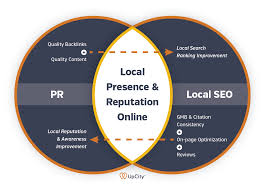
Local Search Marketing Strategy: Boost Your Business’s Visibility Locally
In today’s digital age, having a strong local search marketing strategy is essential for businesses looking to reach their target audience effectively. Local search marketing focuses on optimizing your online presence to attract customers in your specific geographic area. Here are some key tips to help you enhance your local search marketing strategy:
Claim and Optimize Your Google My Business Listing
One of the first steps in improving your local search visibility is to claim and optimize your Google My Business listing. Ensure that all information, such as business hours, contact details, and address, is accurate and up-to-date. Encourage customers to leave positive reviews to boost your credibility.
Utilize Local Keywords
Include local keywords in your website content, meta descriptions, and titles to improve your chances of appearing in local search results. Think about what terms potential customers in your area would use when searching for products or services like yours.
Create Location-Specific Landing Pages
If you have multiple locations or serve different areas, create location-specific landing pages on your website. This helps search engines understand where you operate and can improve your visibility for local searches.
Get Listed in Online Directories
List your business in online directories such as Yelp, Yellow Pages, and industry-specific directories. Consistent NAP (name, address, phone number) information across these platforms can boost your credibility with search engines.
Engage with Local Community
Showcase your involvement in the local community through events, sponsorships, or partnerships. Engaging with the community not only builds brand awareness but also signals to search engines that you are a relevant local business.
Monitor and Analyze Performance
Regularly monitor the performance of your local search marketing efforts using tools like Google Analytics and Google Search Console. Analyze key metrics such as website traffic from local searches, click-through rates, and conversions to refine your strategy over time.
By implementing these tips into your local search marketing strategy, you can increase your business’s visibility locally and attract more customers from your target area.
Maximising Local Reach: Seven Benefits of a Local Search Marketing Strategy
- Increases visibility to local customers actively searching for products or services
- Helps businesses target specific geographic areas effectively
- Enhances online presence and credibility within the local community
- Boosts website traffic from local searches, leading to potential conversions
- Improves chances of appearing in Google’s Local Pack and Maps results
- Allows businesses to compete with larger corporations on a more level playing field locally
- Provides valuable insights into customer behaviour and preferences in the local market
Challenges of Local Search Marketing: Navigating Limited Reach, Competition, and More
- 1. Limited Reach
- 2. Competitive Landscape
- 3. Time-Consuming
- 4. Dependence on Online Reviews
- 5. Algorithm Changes
- 6. Inconsistent NAP Data
- 7. Costly Advertising Options
Increases visibility to local customers actively searching for products or services
One significant advantage of implementing a local search marketing strategy is its ability to enhance visibility to local customers who are actively seeking products or services. By optimising your online presence for local searches, you increase the likelihood of appearing in front of potential customers in your specific geographic area when they are looking for offerings like yours. This targeted approach not only boosts your visibility but also improves the chances of attracting qualified leads who are more likely to convert into customers.
Helps businesses target specific geographic areas effectively
Local search marketing strategy offers businesses the advantage of effectively targeting specific geographic areas. By tailoring online efforts to focus on local audiences, businesses can connect with potential customers in their vicinity who are more likely to convert. This targeted approach allows businesses to reach the right people at the right time, increasing the chances of driving foot traffic to physical locations or securing local online transactions. By honing in on specific geographic areas, businesses can maximise their marketing efforts and enhance their overall visibility within their target market.
Enhances online presence and credibility within the local community
A significant advantage of implementing a local search marketing strategy is its ability to enhance a business’s online presence and credibility within the local community. By optimising for local searches, businesses can ensure that they appear prominently in search results when potential customers in the area are looking for products or services. This increased visibility not only helps attract more local customers but also establishes trust and credibility within the community, as businesses are seen as active and relevant entities in the local area.
Boosts website traffic from local searches, leading to potential conversions
A significant benefit of implementing a local search marketing strategy is its ability to boost website traffic from local searches. By optimising your online presence for local keywords and directories, you increase the visibility of your business to potential customers in your area. This heightened visibility not only drives more relevant traffic to your website but also enhances the likelihood of converting these visitors into actual customers. By reaching a more targeted audience through local search marketing, businesses can significantly increase their chances of turning leads into conversions and ultimately growing their customer base.
Improves chances of appearing in Google’s Local Pack and Maps results
A significant advantage of implementing a local search marketing strategy is the increased likelihood of appearing in Google’s Local Pack and Maps results. By optimising your online presence for local searches, such as using relevant keywords and claiming your Google My Business listing, you enhance your visibility to potential customers searching for products or services in your area. Securing a spot in Google’s Local Pack and Maps results can significantly boost your business’s exposure and credibility among local audiences, ultimately driving more traffic and potential leads to your doorstep.
Allows businesses to compete with larger corporations on a more level playing field locally
Local search marketing strategy offers businesses the invaluable opportunity to compete with larger corporations on a more level playing field within their local area. By focusing on optimizing their online presence for local searches, smaller businesses can enhance their visibility and reach within the community, potentially drawing in customers who are specifically looking for products or services in their immediate vicinity. This levels the playing field by enabling smaller businesses to stand out and attract local customers alongside larger corporations, based on relevance and proximity rather than sheer size or budget.
Provides valuable insights into customer behaviour and preferences in the local market
A significant advantage of implementing a local search marketing strategy is the invaluable insights it offers into customer behaviour and preferences within the local market. By analysing data from local searches, businesses can gain a deeper understanding of what their target audience is searching for, where they are located, and how they prefer to engage with businesses. This information allows companies to tailor their products, services, and marketing efforts to better meet the needs and expectations of local customers, ultimately leading to increased engagement and conversions.
1. Limited Reach
One notable drawback of local search marketing strategy is its limited reach. While focusing on targeting customers within your specific geographic area can be beneficial for local businesses, it may also restrict your visibility to a wider audience. This means that potential customers outside your local area may not come across your business through local search efforts, limiting your overall reach and potential for growth beyond your immediate vicinity. It’s important to consider this con when developing a local search marketing strategy and explore additional tactics to expand your reach to a broader audience.
2. Competitive Landscape
In the realm of local search marketing strategy, one significant challenge lies in the competitive landscape. Local search results can often be saturated with numerous businesses vying for visibility, making it a daunting task to stand out from the crowd. With competitors also striving to capture the attention of local customers, businesses face the uphill battle of distinguishing themselves and securing a prominent position in local search rankings. This intense competition underscores the importance of implementing innovative and strategic approaches to differentiate oneself and carve out a niche in the fiercely contested local market.
3. Time-Consuming
One significant drawback of implementing a local search marketing strategy is the time-consuming nature of managing local listings, reviews, and content for multiple locations. Ensuring that all information across various platforms is accurate and up-to-date requires a considerable investment of time and effort. Additionally, monitoring and responding to reviews, creating location-specific content, and staying on top of changes in local search algorithms can be a daunting task for businesses with multiple locations. This aspect of local search marketing can strain resources and personnel, diverting attention from other essential aspects of running a business.
4. Dependence on Online Reviews
One significant drawback of implementing a local search marketing strategy is the heavy reliance on online reviews. Negative reviews or the absence of reviews altogether can have a detrimental impact on your business’s local search visibility. Potential customers often rely on reviews to gauge the credibility and quality of a business, and a few negative comments can overshadow all your positive efforts. Moreover, a lack of reviews may signal to search engines that your business is less established or less trustworthy, leading to lower rankings in local search results. Managing online reviews and actively seeking positive feedback becomes crucial in mitigating this risk and maintaining a positive online reputation.
5. Algorithm Changes
One significant drawback of local search marketing strategy is the unpredictability caused by frequent algorithm changes in search engines. These algorithm updates can have a direct impact on your local search rankings, leading to fluctuations in visibility and potentially affecting your business’s online performance. Adapting to these changes and staying ahead of the curve can be challenging, requiring constant monitoring and adjustments to maintain or improve your local search presence amidst the evolving digital landscape.
6. Inconsistent NAP Data
One significant drawback of local search marketing strategy is the issue of inconsistent NAP data. When your business’s name, address, and phone number information varies or contains inaccuracies across different online directories, it can have a detrimental impact on your SEO efforts. Search engines rely on consistent and accurate data to determine a business’s credibility and relevance to local searches. Inconsistent NAP data can confuse search engines and lead to lower visibility in local search results, ultimately hindering your ability to reach potential customers effectively in your target area.
7. Costly Advertising Options
One significant drawback of local search marketing strategy is the costly advertising options associated with paid advertising for local searches. In competitive markets, businesses may find themselves spending a significant amount of money on paid ads to ensure visibility in local search results. This expense can quickly add up and become a financial burden, especially for small businesses with limited marketing budgets. As a result, the high cost of advertising options in local search marketing can deter some businesses from fully utilising this strategy to enhance their online visibility and attract local customers.