
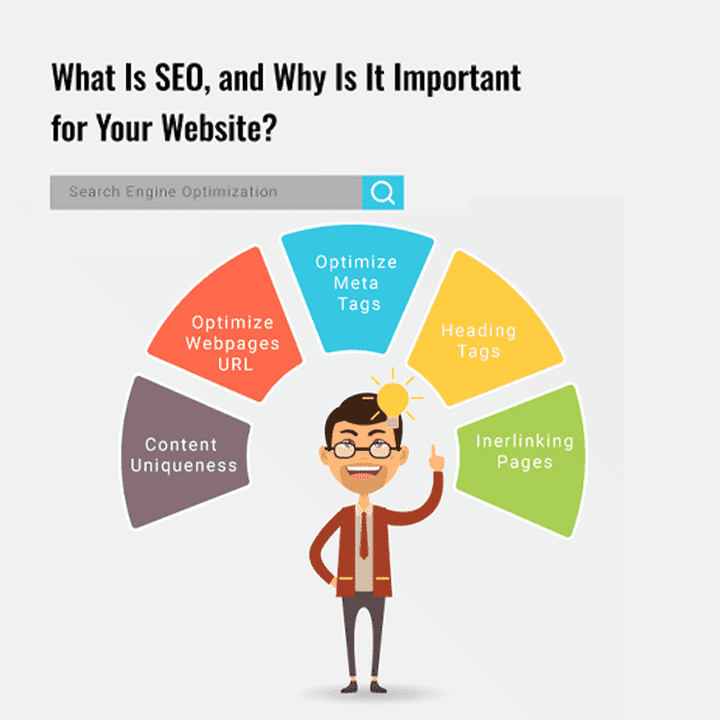
What Search Engine Optimisation Requires
Search engine optimisation (SEO) requires more than adding a few keywords to a webpage. It is an ongoing process that brings together useful content, sound technical foundations and a clear understanding of what people are looking for. The aim is to make a website easier for both visitors and search engines to understand, access and trust.
A clear understanding of your audience
Effective SEO starts with knowing who you want to reach. Consider the questions your potential customers ask, the problems they need to solve and the language they use when searching online. Keyword research can help reveal these needs, but search terms should be treated as clues to people’s intentions—not simply phrases to repeat on a page.
Pages should match the purpose behind a search. Someone researching a topic may need a clear guide, while someone ready to buy may be looking for product details, prices or a way to get in touch.
Helpful, well-structured content
Search engine optimisation requires content that genuinely helps its intended audience. Useful pages answer questions clearly, provide relevant detail and are written for people rather than created solely to influence rankings. Information should be accurate and kept up to date, particularly where advice, prices or services may change.
Good structure also matters. Descriptive headings, concise paragraphs, meaningful page titles and clear internal links make content easier to scan. Each page should have a clear purpose, with enough detail to satisfy the visitor’s needs without unnecessary repetition.
A technically accessible website
Search engines need to be able to discover, crawl and understand a website’s pages. A strong technical foundation can include:
- a logical site structure and clear navigation;
- pages that work well on mobile devices;
- fast, reliable loading and a secure connection;
- descriptive URLs and sensible redirects;
- accurate XML sitemaps and appropriate robots.txt settings; and
- the correct use of canonical tags, where duplicate or similar URLs are an issue.
Technical checks should also look for broken links, pages that cannot be indexed and errors that prevent visitors from using the site. The right priorities depend on the website, so technical changes should be tested rather than applied automatically.
A positive experience for visitors
SEO requires attention to what happens after someone reaches a page. Visitors should be able to find information, use the site and take the next step without confusion. Clear navigation, readable text, accessible design and helpful calls to action all contribute to a better experience.
There is no single design choice that guarantees better rankings. However, a website that is difficult to use may fail to meet its business goals, even if it attracts visitors from search.
Credibility and relevant authority
Trust is built through consistent, reliable information and a strong reputation. Depending on the business, this may involve publishing expert guidance, providing clear contact and company details, earning mentions from relevant organisations and encouraging genuine customer reviews.
Links from other websites can help people discover your content and may provide useful context about its relevance. The focus should be on earning links through worthwhile resources and relationships, rather than buying links or using schemes that attempt to manipulate search results.
Measurement and ongoing improvement
Search engine optimisation is not a one-off task. Search behaviour, competitors, websites and search engine systems change over time. Regular monitoring helps you understand whether your work is improving visibility and supporting meaningful outcomes.
Useful measures may include relevant organic visits, search impressions, enquiries, sales and the performance of important landing pages. Rankings can provide context, but they should not be considered in isolation. Use the data to identify opportunities, investigate problems and decide what to improve next.
Time, consistency and realistic expectations
SEO usually requires sustained effort. The time needed to see results varies according to factors such as competition, the condition of the website, the quality of its content and the resources available. No responsible practitioner can guarantee a particular ranking or a precise result by a fixed date.
In summary, search engine optimisation requires a clear audience, helpful content, accessible technology, a positive visitor experience, credible signals and regular evaluation. When these elements work together, SEO can help the right people find a website and make it easier for them to act on what they discover.
Eight Key Advantages of Search Engine Optimisation for Enhanced Online Presence
- Builds visibility in search results.
- Attracts relevant organic traffic.
- Requires helpful, audience-focused content.
- Benefits from a fast, mobile-friendly website.
- Relies on clear site structure.
- Grows trust through credible information.
- Uses data to guide improvements.
- Supports lasting online growth.
Challenges of Search Engine Optimisation: Time, Effort, and Uncertain Outcomes
- Requires ongoing time and effort.
- Results can take months to appear.
- Ranking changes are hard to predict.
- Quality content needs regular updates.
- Technical fixes may require specialist skills.
- SEO does not guarantee more sales.
Builds visibility in search results.
Search engine optimisation requires consistent work, but one of its key benefits is greater visibility in search results. By creating useful content, targeting relevant search terms and keeping your website technically accessible, you can improve the chances of appearing when potential customers look for the products, services or information you offer. Increased visibility can help more people discover your website and support a steady flow of relevant organic traffic.
Attracts relevant organic traffic.
Search engine optimisation helps attract relevant organic traffic by making a website more visible to people searching for its products, services or expertise. By creating useful content around the topics and questions that matter to your audience, you can reach potential customers who are already interested in what you offer. This can bring more qualified visitors to your site without relying solely on paid advertising.
Requires helpful, audience-focused content.
Search engine optimisation requires helpful, audience-focused content that answers real questions and meets the needs of the people you want to reach. By understanding your audience’s interests, challenges and search intent, you can create clear, relevant pages that offer genuine value rather than simply repeating keywords. This approach can improve the visitor experience, build trust and make it more likely that people will take the next step.
Benefits from a fast, mobile-friendly website.
A fast, mobile-friendly website benefits both visitors and your SEO. Pages that load quickly and display well on smartphones make it easier for people to find information, navigate your site and complete an action, such as making an enquiry or purchase. This smoother experience can encourage visitors to stay and return, while also helping search engines assess your site’s usability. Regularly test page speed and mobile layouts, and fix issues such as oversized images, difficult-to-use menus and text that is hard to read on a small screen.
Relies on clear site structure.
A clear site structure is an important advantage of search engine optimisation because it helps visitors find information quickly and enables search engines to understand how pages relate to one another. Organising content into logical categories, using descriptive navigation and linking related pages can make a website easier to explore and crawl. This gives users a more straightforward experience while helping search engines discover and interpret the site’s most valuable content.
Grows trust through credible information.
Search engine optimisation requires credible, accurate information that genuinely helps your audience. Clear explanations, up-to-date advice and transparent details about your business can reassure visitors that your website is trustworthy. Over time, consistently providing useful information can strengthen your reputation, encourage people to return and support stronger relationships with potential customers.
Uses data to guide improvements.
Search engine optimisation uses data to guide improvements, helping businesses understand how people find and use their website. By reviewing search queries, organic traffic, engagement and conversions, it’s possible to spot what’s working, identify gaps and prioritise changes. This evidence-led approach makes SEO decisions more focused and helps measure whether updates are delivering meaningful results.
Supports lasting online growth.
Search engine optimisation supports lasting online growth by helping a website build visibility, credibility and a steady flow of relevant visitors over time. Rather than relying solely on short-term advertising, SEO strengthens a site’s content and technical foundations so it can continue attracting people through organic search. With regular updates and improvements, these gains can support sustained enquiries, sales and brand awareness.
Requires ongoing time and effort.
One drawback of search engine optimisation is that it requires ongoing time and effort. Content needs regular review, technical issues must be monitored, and strategies may need to change as search trends and algorithms evolve. Results can take time to appear, so businesses need patience and consistent investment rather than expecting a quick fix.
Results can take months to appear.
One drawback of search engine optimisation is that results can take months to appear. Search engines need time to discover and assess changes, while improvements in visibility also depend on factors such as competition, website quality and the effort invested. This means SEO may not suit businesses looking for immediate results, and it is important to set realistic expectations and measure progress over time.
Ranking changes are hard to predict.
One drawback of search engine optimisation is that ranking changes are hard to predict. Search engines regularly update how they assess and display websites, while competitors and search behaviour also change. As a result, even well-planned improvements may take time to affect visibility, and rankings can rise or fall without a clear, immediate explanation. SEO therefore requires ongoing monitoring and flexibility, rather than relying on guaranteed positions or fixed timelines.
Quality content needs regular updates.
A potential drawback of search engine optimisation is that quality content needs regular updates. Information can become outdated as products, services, industry guidance and customer expectations change, so pages may need to be reviewed and refreshed to remain accurate and useful. This ongoing work takes time and resources, particularly for businesses with a large website or a wide range of topics to cover.
Technical fixes may require specialist skills.
Technical SEO fixes can be complex and may require specialist skills. Issues involving site architecture, indexing, structured data, redirects or page speed can affect how a website is crawled and displayed in search results, so changes need to be handled carefully. If fixes are implemented incorrectly, they may cause new problems or disrupt the user experience. Businesses without in-house technical expertise may therefore need support from a developer or SEO specialist, which can add time and cost.
SEO does not guarantee more sales.
Search engine optimisation can increase your website’s visibility and attract more visitors, but it does not guarantee more sales. Purchasing decisions depend on factors beyond search rankings, including the quality and price of your products or services, your website experience, customer trust and how well your offer meets people’s needs. SEO should therefore be part of a wider marketing strategy, with performance measured by meaningful outcomes such as enquiries and conversions—not traffic alone.