
Organic Search Engine Marketing: A Practical Guide
Organic search engine marketing is the practice of attracting visitors from unpaid search results. It helps people discover a website when they search for information, products or services on platforms such as Google and Bing.
The term is sometimes used interchangeably with search engine optimisation (SEO). More broadly, search engine marketing can include both organic activity and paid search advertising. This article focuses on the organic side: improving a website so that it is useful, accessible and easier for search engines to understand.
How organic search marketing works
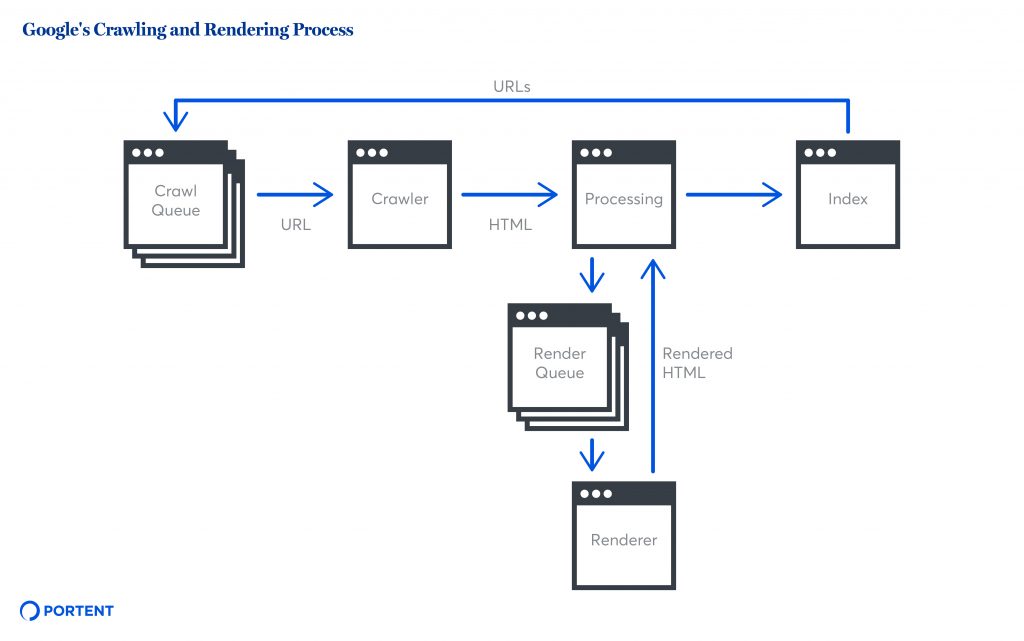
Search engines use automated systems to find and assess web pages, then present results they consider relevant to a person’s query. Organic search marketing helps a site perform well in this process through a combination of useful content, sound technical foundations and credible signals from across the web.
There is no reliable way to guarantee a particular ranking. Search results change over time, and search engines consider many factors. A strong strategy focuses on serving the audience’s needs rather than trying to exploit short-term ranking tricks.
Why organic search matters
Organic search can be a valuable source of relevant website traffic. It can help a business reach people who are actively looking for answers, comparisons, products or services. Unlike paid advertising, an organic listing does not incur a charge each time someone clicks it, although creating and maintaining an effective SEO programme requires time and expertise.
Well-planned organic search marketing can also support broader business goals. Clear, informative pages may build trust, explain what a business offers and help potential customers take the next step.
Key elements of an organic search strategy
Understand the audience and their searches
Start by researching what prospective visitors want to know and the language they use. Search terms can reveal different intentions: someone searching for “how to choose a boiler” is likely seeking guidance, while someone searching for “boiler installation near me” may be ready to contact a provider.
Group related queries by topic and intent rather than creating a separate page for every minor variation. This helps ensure that each page has a clear purpose and gives visitors a useful, complete answer.
Create helpful, original content
Content should be accurate, easy to follow and written for the people who need it. Depending on the business, this might include service pages, product information, guides, frequently asked questions or research. Pages should explain their subject clearly and provide details that help readers make informed decisions.
Use headings to organise information, descriptive page titles to summarise it and internal links to guide visitors to related content. Keywords can help make a page’s subject clear, but they should fit naturally into the writing. Repeating phrases unnaturally can make content harder to read without making it more useful.
Build a sound technical foundation
Search engines need to be able to access and understand a website. Important technical considerations include:
- Making sure key pages can be crawled and indexed.
- Using a logical site structure and clear navigation.
- Ensuring the website works well on mobile devices.
- Improving page speed and overall usability.
- Using secure HTTPS connections.
- Fixing broken links, duplicate pages and confusing redirects.
- Providing descriptive image text where it helps users understand an image.
Technical work should prioritise problems that prevent visitors or search engines from using important pages. Not every technical recommendation will have the same value for every website.
Earn relevant links and build credibility
Links from other websites can help people find useful resources and provide context about a site. The strongest approach is to publish material worth referencing and build genuine relationships within a relevant industry or community.
Avoid buying links or using schemes designed to manipulate search rankings. Such tactics can damage a site’s reputation and may lead to search visibility problems.
Measuring organic search performance
Rankings alone do not show whether an organic search strategy is delivering value. Useful measures include:
- Organic clicks and impressions from search results.
- Visits to important landing pages.
- Enquiries, sales, bookings or other meaningful conversions.
- The quality and relevance of the traffic attracted.
- Engagement with key pages and the next steps visitors take.
Analytics and search performance tools can help identify trends, but the figures should be interpreted in context. Seasonality, changes in demand, website updates and search engine changes can all affect results.
Common organic search mistakes
Some common problems include publishing thin or duplicated pages, targeting keywords without understanding the searcher’s intent, neglecting mobile usability and expecting immediate results. SEO is generally a long-term activity: improvements can take time to be discovered, indexed and reflected in search results.
Another mistake is treating search optimisation as a one-off task. Websites, customer needs and search results change, so content and technical performance should be reviewed regularly.
Getting started
A practical starting point is to review the website’s most important pages. Check whether each page has a clear purpose, answers the visitor’s likely questions and works properly on mobile. Then identify technical barriers, research relevant searches and prioritise content improvements according to their potential value to the business.
Organic search engine marketing works best when it is part of a wider digital strategy. By combining audience research, useful content, accessible website design and consistent measurement, organisations can build a more sustainable presence in unpaid search results.
Top 8 Tips for Effective Organic Search Engine Marketing
- Research the search terms your audience uses.
- Create useful, original content that answers real questions.
- Write clear page titles and meta descriptions.
- Use descriptive headings and concise URLs.
- Make your website fast and mobile-friendly.
- Link related pages to help visitors navigate.
- Earn quality links by publishing valuable resources.
- Track organic traffic and refine your approach.
Research the search terms your audience uses.
Researching the search terms your audience uses helps you understand what they need and how they look for it online. Use keyword research tools, search suggestions and customer questions to discover relevant phrases, then consider the intent behind each search: are people looking for information, comparing options or ready to buy? This insight can guide your content and page structure, helping you provide useful answers without forcing keywords into the copy.
Create useful, original content that answers real questions.
Create useful, original content by starting with the questions your audience genuinely asks and giving clear, accurate answers. Research their needs, then produce pages that offer practical detail, a fresh perspective or information that is specific to your expertise. Organise the content with descriptive headings and straightforward language so readers can find what they need quickly. Rather than repeating keywords or publishing pages simply to attract clicks, focus on helping people make informed decisions; content that is genuinely valuable is more likely to earn trust and encourage visitors to return.
Write clear page titles and meta descriptions.
Write a clear, descriptive page title and meta description for every important page. The title should summarise the page accurately and include its main topic, while the description should give searchers a concise, useful reason to visit. Keep both natural and relevant to the page: search engines may rewrite them, and neither guarantees higher rankings, but well-written snippets can help people understand what to expect and choose your result.
Use descriptive headings and concise URLs.
Use descriptive headings to organise your content and show readers what each section covers. Clear headings also help search engines understand a page’s structure and subject. Keep URLs concise, readable and relevant to the page, using a few descriptive words rather than long strings of numbers or unnecessary parameters. Together, well-written headings and straightforward URLs make your site easier to navigate and understand.
Make your website fast and mobile-friendly.
Make your website fast and mobile-friendly to give visitors a smooth experience and make it easy for search engines to access your content. Pages that load quickly help people find what they need without frustration, while a responsive design ensures your site works well on phones and tablets as well as desktop computers. Test your pages regularly, optimise large images and fix usability issues such as small text or difficult-to-tap buttons.
Link related pages to help visitors navigate.
Linking related pages helps visitors find useful information and move naturally through your website. Add clear, descriptive links where they provide relevant next steps—for example, connect a service page to a helpful guide or link an article to a related service. This improves navigation, helps people discover more of your content and gives search engines a clearer understanding of how your pages relate to one another.
Earn quality links by publishing valuable resources.
Earn quality links by publishing resources that people genuinely find useful, such as original research, practical guides, clear explainers or helpful tools. When your content offers trustworthy information or solves a real problem, relevant websites may choose to reference it, helping readers discover your site and strengthening its credibility. Focus on usefulness and accuracy rather than trying to acquire links through paid schemes or manipulative tactics.
Track organic traffic and refine your approach.
Track your organic traffic regularly to understand which pages attract visitors, what they search for and whether those visits lead to meaningful actions, such as enquiries or sales. Use tools such as Google Search Console and analytics platforms to spot changes in clicks, impressions and conversions. Look for patterns rather than reacting to every short-term fluctuation, then refine your approach by improving pages that underperform, expanding useful content and addressing technical issues. Regular measurement helps you focus effort on what best serves your audience and business goals.