
Organic Search Marketing and SEO: A Practical Guide
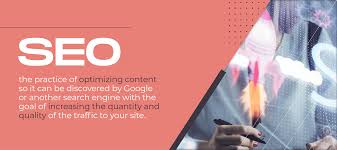
Organic search marketing is the process of attracting visitors from unpaid search engine results. Search engine optimisation (SEO) is the work that helps a website appear prominently for relevant searches. Together, they can help businesses reach people who are actively looking for information, products or services.
Unlike paid search advertising, organic listings are not bought through a pay-per-click campaign. However, earning visibility takes time and requires ongoing effort. A successful approach combines useful content, sound technical foundations and a good experience for visitors.
How organic search marketing works
Search engines discover pages by crawling links, add information about them to an index, and then select and order results in response to a search. Their systems consider many signals, including how well a page answers the query, its usability and the wider context of the search.
SEO cannot guarantee a particular position. Its purpose is to make a website easier to find, understand and use, while giving search engines clear evidence of what each page offers.
The main elements of SEO
Understand your audience and search intent
Start by learning what your audience wants to know or do. A person searching for “how to choose a bike” is likely looking for guidance, while someone searching for “buy a hybrid bike” may be ready to compare products. The pages you create should match that intent.
Keyword research can reveal the language people use, the questions they ask and the topics they care about. Use these findings to plan helpful pages rather than inserting keywords wherever possible. Each page should have a clear purpose and address a distinct need.
Create useful, trustworthy content
Good content gives readers accurate, relevant information and helps them take their next step. It might include service pages, product descriptions, how-to guides, comparisons or answers to frequently asked questions.
Write for people first. Explain specialist terms, keep information current and support important claims with reliable evidence. Avoid thin pages made mainly to target search terms, as well as duplicate content that adds little value. Clear headings and concise paragraphs make information easier to scan.
Optimise on-page details
On-page SEO helps both visitors and search engines understand a page. Useful details include:
- A descriptive, distinctive page title.
- A clear main heading that reflects the page’s purpose.
- Informative subheadings that organise the content.
- A concise meta description that accurately summarises the page.
- Descriptive image file names and alternative text where appropriate.
- Internal links that guide readers to related information.
These details should be natural and accurate. Repeating the same phrase excessively is unlikely to improve the experience and can make content harder to read.
Build a strong technical foundation
Technical SEO helps search engines access and interpret a website. Check that important pages can be crawled and indexed, that broken links and incorrect redirects are addressed, and that the site uses a logical structure. An XML sitemap can help search engines discover key URLs, while canonical tags can help clarify preferred versions of similar pages.
Performance and usability matter too. Pages should work well on mobile devices, load reliably and be easy to navigate. Secure connections and accessible design also contribute to a more dependable experience for visitors.
Earn authority and relevant links
Links from other websites can help people discover your content and provide context about your organisation. Focus on earning relevant links by publishing useful resources, sharing genuine expertise and building relationships in your sector. Avoid schemes that promise large numbers of artificial links; they can put a site’s search visibility at risk.
Measuring organic search performance
Organic traffic is only one measure of success. Choose metrics that reflect your business goals, such as:
- Organic clicks and impressions.
- Visibility for relevant search queries.
- Engagement with important landing pages.
- Enquiries, sales, bookings or other conversions.
- The quality and value of leads generated through search.
Search Console and web analytics tools can help you understand how people find and use your site. Review performance over time, taking account of seasonality, changes to the website and shifts in search demand. Use the findings to improve pages rather than reacting to every short-term fluctuation.
How long does SEO take?
SEO is a long-term activity, and results vary. A new website, a competitive market or technical issues may require substantial work before progress becomes clear. Some improvements can have an effect sooner, while building visibility and trust often takes longer. Regular monitoring and realistic expectations are essential.
Common organic SEO mistakes
- Creating pages without a clear audience or purpose.
- Targeting keywords without considering what the searcher needs.
- Publishing large volumes of low-value or duplicated content.
- Neglecting mobile usability, page speed or technical errors.
- Measuring rankings alone instead of business outcomes.
- Expecting immediate results or guaranteed positions.
Building a sustainable organic search strategy
Effective organic search marketing starts with a clear understanding of your audience and business goals. From there, prioritise the pages that matter most, fix technical barriers, publish genuinely useful content and measure what happens. SEO is not a one-off task: search behaviour, websites and business priorities change, so successful strategies are reviewed and refined over time.
Understanding Organic Search Marketing: 7 Key SEO FAQs Answered
- What is organic search marketing and how does SEO work?
- How is organic SEO different from paid search advertising?
- How long does it take to see results from SEO?
- How can I improve my website’s organic search rankings?
- How much does organic search marketing cost?
- How do I measure the success of an SEO campaign?
- Can SEO guarantee first-page rankings on Google?
What is organic search marketing and how does SEO work?
Organic search marketing is the practice of attracting visitors through unpaid search engine results. SEO, or search engine optimisation, helps search engines discover, understand and assess your website by improving its content, technical setup, usability and reputation. When your pages are relevant and useful to a searcher’s needs, they may appear more prominently in results, bringing in traffic without paying for each click. SEO takes ongoing work, and rankings cannot be guaranteed.
How is organic SEO different from paid search advertising?
Organic SEO focuses on improving a website’s visibility in unpaid search results through helpful content, technical improvements and a good user experience. Paid search advertising, by contrast, involves paying to display ads for selected searches, usually with costs based on clicks or impressions. Paid ads can generate visibility quickly, but typically stop appearing when the budget runs out; organic SEO can take longer to deliver results, but may attract relevant visitors over time without paying for each click. Many businesses use both approaches to meet different marketing goals.
How long does it take to see results from SEO?
SEO typically takes several months to produce noticeable results, although the timeframe varies depending on your website’s starting point, competition, technical health and the work involved. Some improvements may lead to gains sooner, while building strong rankings and consistent organic traffic often takes longer. Regularly monitoring performance and making ongoing improvements can help support sustainable progress, but no SEO provider can guarantee a specific result or timescale.
How can I improve my website’s organic search rankings?
Improve your website’s organic search rankings by creating useful, reliable content that matches what your audience is searching for, and make each page’s purpose clear with descriptive titles, headings and internal links. Ensure your site is fast, mobile-friendly, accessible and easy for search engines to crawl and index. Earn relevant links naturally by producing resources others value, and use tools such as Google Search Console to identify opportunities and monitor progress. SEO takes time, so review performance regularly and refine your approach rather than expecting instant results or guaranteed positions.
How much does organic search marketing cost?
The cost of organic search marketing varies depending on your website, goals, competition and the amount of work required. A smaller campaign may focus on technical fixes and improving a few key pages, while a larger or more competitive project may need ongoing content, technical SEO and digital PR. Agencies may charge a monthly retainer, a project fee or an hourly rate; in-house work also has staff and tool costs. Ask for a clear scope, priorities and reporting, and assess the investment against meaningful outcomes such as qualified enquiries or sales—not rankings alone.
How do I measure the success of an SEO campaign?
Measure an SEO campaign against clear business goals, not rankings alone. Track organic clicks and impressions, visibility for relevant search terms, and engagement with key landing pages, then connect these measures to outcomes such as enquiries, sales, bookings or revenue. Tools such as Google Search Console and web analytics can help reveal what is improving and which pages contribute to results. Compare performance with a baseline over a suitable period, taking seasonality and other marketing activity into account, and focus on the quality and value of organic traffic as well as its volume.
Can SEO guarantee first-page rankings on Google?
No reputable SEO provider can guarantee first-page rankings on Google. Search results are determined by Google’s algorithms and can change as competition, search behaviour and the search engine itself evolve. SEO can improve a website’s technical health, content and relevance, increasing its chances of appearing for valuable searches, but rankings and timing cannot be promised. Focus on sustainable improvements and meaningful outcomes, such as qualified traffic, enquiries and sales.