
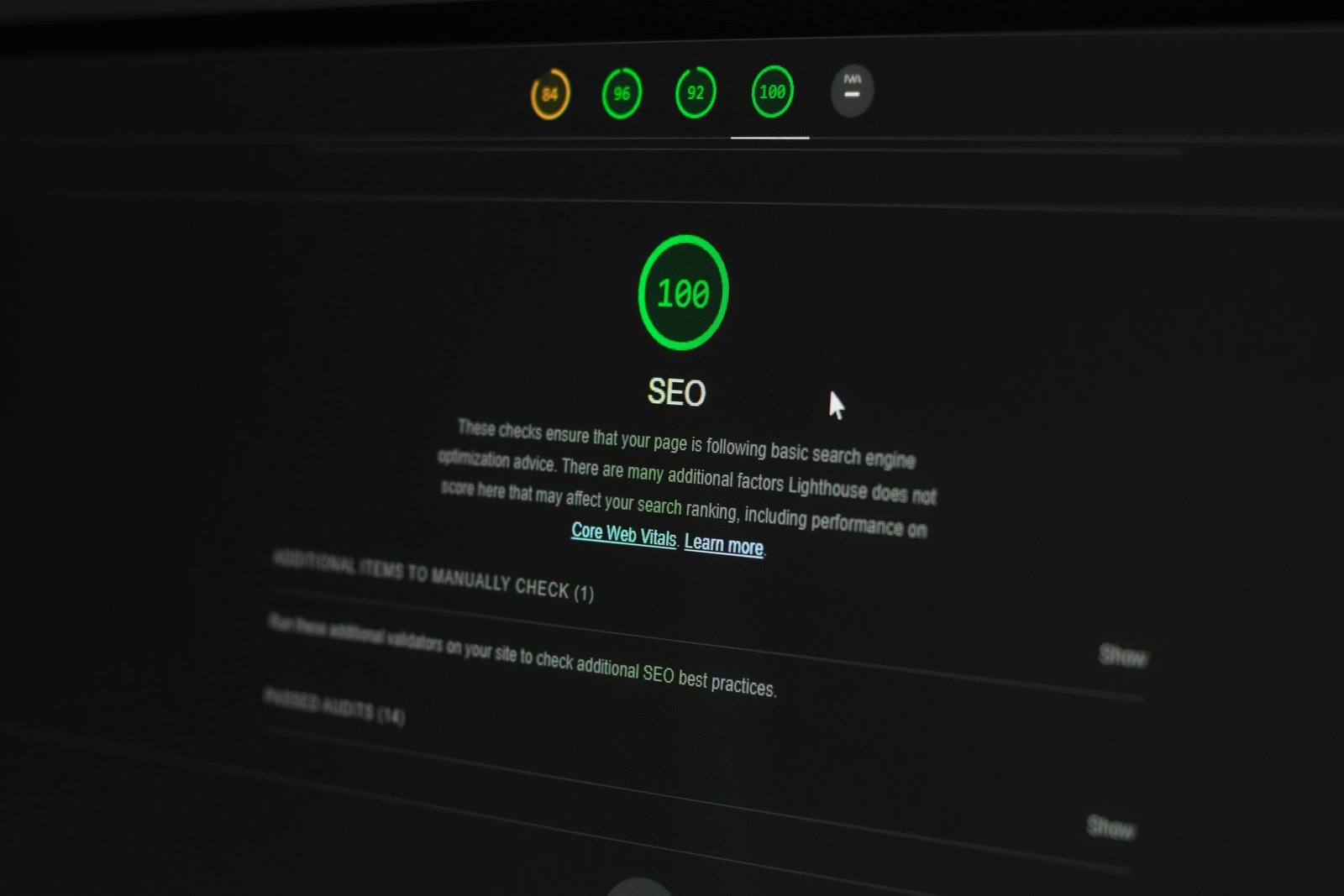
Search Engine Optimisation Software: A Practical Guide
Search engine optimisation (SEO) software helps businesses understand how their websites appear in search results and identify ways to improve their visibility. These tools can support many parts of an SEO campaign, from researching keywords and checking technical issues to monitoring rankings and analysing competitors.
SEO software does not guarantee higher rankings. Search engines use many factors to determine which pages appear for a query, and their systems change over time. Software is most useful when its data informs sound decisions, helpful content and a positive experience for visitors.
What does SEO software do?
SEO platforms collect and organise information about websites, search queries and search results. Depending on the product, they may help you:
- Find search terms that are relevant to your audience.
- Review a website for technical problems and crawlability issues.
- Monitor keyword rankings and changes in organic traffic.
- Analyse backlinks pointing to your website.
- Compare your website with competitors in search results.
- Review on-page elements such as titles, headings and internal links.
- Report on SEO activity and performance over time.
Some tools focus on one specific task, while all-in-one platforms combine several features. The right option depends on your website, objectives, expertise and budget.
Common types of SEO software
Keyword research tools
Keyword research software helps you explore the words and phrases people use when looking for information, products or services. It may estimate search demand, show related queries and group terms by topic. These estimates are useful for planning, but they should not be treated as exact predictions of traffic.
Technical SEO crawlers
Crawlers visit pages in a similar way to search engine bots and report issues that may affect discovery or usability. They can identify broken links, redirect chains, duplicate page titles, missing metadata and pages that are difficult to access. A crawler’s findings should be checked in context: not every warning represents a serious problem.
Rank tracking platforms
Rank trackers monitor where selected pages appear for particular search queries. Results can vary by location, device and personalisation, so ranking data is best viewed as a trend rather than a fixed measure of success. It is also important to look beyond rankings and consider traffic, enquiries, sales and other business outcomes.
Backlink analysis tools
Backlink tools examine links from other websites and can help you understand your site’s link profile or research competitors. Their databases are incomplete by nature, so different platforms may show different results. A list of links is not a substitute for assessing their relevance and quality.
Content optimisation tools
Content tools can help with topic research, content structure and on-page checks. Some suggest related subjects or questions to address. These recommendations can be useful prompts, but content should be written for people first. Including a phrase repeatedly simply to satisfy a tool can make a page less useful and harder to read.
Benefits of using SEO software
Used well, SEO software can make work more efficient and decisions better informed. It can help teams spot issues across large websites, prioritise improvements and track whether changes are having an effect. It can also reveal gaps in existing content or show how competitors approach a topic.
For smaller organisations, even a basic combination of analytics, search performance data and a site audit tool can provide a clearer picture of what is working. Larger websites may benefit from more advanced crawling, reporting and workflow features.
How to choose the right SEO software
Before comparing products, decide what you need the software to help you do. Consider the following:
- Your goals: Are you focused on technical health, local visibility, content planning, ecommerce or reporting?
- Your website: A small brochure website may not need the same features as a large online shop with thousands of pages.
- Ease of use: Look for clear reports and workflows that suit the people who will use the tool.
- Data and coverage: Check whether the platform supports your target countries, languages, search engines and locations.
- Integrations: Consider whether it works with your analytics, content management and reporting systems.
- Cost and limits: Review pricing, usage allowances and the features available at each subscription level.
- Privacy and access: Understand how the provider handles your data and manage account permissions appropriately.
Trials and demonstrations can help you assess a tool before committing. Test it against a real task, such as finding crawl errors or preparing a keyword report, rather than choosing solely on the number of features.
Making SEO software part of a sensible workflow
Software is most valuable when it supports a repeatable process. Start by establishing a baseline for your website, including technical health, organic search performance and important business conversions. Then prioritise issues according to their likely impact and the effort required to address them.
- Set an objective. Define what you want to improve, such as qualified organic visits or visibility for a group of relevant topics.
- Gather evidence. Use search performance data, analytics and diagnostic tools to understand the current situation.
- Prioritise actions. Focus on changes that address genuine user needs or significant technical barriers.
- Implement and document changes. Keep a record of what was changed and when.
- Measure results. Allow time for search engines to process changes, then assess relevant trends and outcomes.
Understand the limitations
No SEO platform has complete access to every search engine’s systems or data. Metrics such as keyword difficulty, estimated traffic and backlink strength are calculated using each provider’s own methods. They are indicators, not official measures of how a search engine will rank a page.
Automated recommendations can also miss important context. A warning may be low priority, while a page that passes a technical audit may still fail to answer a visitor’s question. Use software to investigate and guide decisions, not to replace editorial judgement, technical expertise or direct analysis of your audience.
Conclusion
Search engine optimisation software can make research, monitoring and site maintenance more manageable. The best tool is not necessarily the one with the most features; it is the one that helps you solve relevant problems and make informed improvements. Combine its data with useful content, sound technical practices and a clear understanding of your business goals to build a sustainable SEO approach.
SEO Software: 26 Frequently Asked Questions About Tools, Platforms and DIY Optimisation
- Can I do SEO by myself?
- Can SEO be done for free?
- Is there any software for SEO?
- What is an SEO tool?
- What are the 3 types of SEO optimizations?
- What is the best SEO tool in 2022?
- What are the 3 types of SEO?
- Which SEO platform is best?
- What software is used for SEO?
- What is the best SEO tool?
- Can you do SEO for free?
- Which is the best SEO software?
- Which SEO tool is most accurate?
- What programs to use for SEO?
- Can I do SEO for free?
- How can I do SEO for free?
- Is Google Analytics a SEO tool?
- Can I do SEO on my own?
- What is SEO software?
- Is SEO still worth it in 2026?
- What does SEO software do?
- How does SEO software work?
- What is search engine optimization software?
- Can you do SEO yourself?
- What is SEO tool?
- Which is the best SEO platform?
Can I do SEO by myself?
Yes, you can do SEO yourself, particularly if you have a smaller website and are willing to learn. Search engine optimisation software can help you research keywords, check for technical issues and monitor performance, while free guides and search engine documentation offer practical advice. Start with the basics: make sure your site is easy to use, create useful content for your audience and keep important pages technically accessible. SEO takes time, and results are not guaranteed, so consider professional support if your website is complex or you need help with a specific challenge.
Can SEO be done for free?
Yes, SEO can be done for free. You can improve your website by creating useful content, making pages easy to navigate, using relevant search terms naturally and fixing basic technical issues. Free tools, including Google Search Console and Google Analytics, can help you monitor search visibility and website performance. However, free options may have limits, and SEO still requires time, expertise and consistent effort.
Is there any software for SEO?
Yes, there is a wide range of software for SEO, from tools that help with keyword research and website audits to platforms for tracking rankings, analysing backlinks and measuring organic traffic. Options include free tools such as Google Search Console and paid all-in-one platforms, with the best choice depending on your website, goals and budget. SEO software can help identify opportunities and monitor progress, but it cannot guarantee higher rankings; useful content and well-maintained, accessible pages remain essential.
What is an SEO tool?
An SEO tool is software that helps you improve and monitor a website’s visibility in search engine results. Depending on its features, it can support tasks such as keyword research, technical site audits, rank tracking, backlink analysis and content planning. SEO tools provide data and recommendations to guide your decisions, but they cannot guarantee rankings or replace your judgement about what visitors need.
What are the 3 types of SEO optimizations?
The three main types of SEO optimisation are on-page, off-page and technical SEO. On-page SEO covers improvements made to individual pages, such as creating useful content and refining titles, headings and internal links. Off-page SEO focuses on signals beyond your website, including earning relevant, trustworthy links and building your brand’s reputation. Technical SEO helps search engines access, crawl and understand your site, with work such as improving site speed, mobile usability and site structure. SEO software can support all three by helping you research, audit and monitor your efforts.
What is the best SEO tool in 2022?
There was no single best SEO tool in 2022, as the right choice depended on your goals and budget. Ahrefs and Semrush were popular all-in-one platforms for keyword research, backlink analysis and competitor research, while Screaming Frog was widely used for technical site audits. For free performance data, Google Search Console was an essential choice. Compare tools based on the tasks you need to carry out, the data they provide and how easy they are for your team to use.
What are the 3 types of SEO?
The three main types of SEO are on-page, off-page and technical SEO. On-page SEO improves elements on your website, such as content, headings and internal links; off-page SEO focuses on building your site’s reputation through signals from elsewhere online, including relevant backlinks; and technical SEO helps search engines access, crawl and understand your website through factors such as site speed, mobile usability and structured data. SEO software can help monitor and improve all three areas.
Which SEO platform is best?
There is no single SEO platform that is best for everyone. The right choice depends on your goals, website size, budget and experience: some tools specialise in keyword research, technical audits or backlink analysis, while all-in-one platforms combine several features. Compare the data, ease of use, integrations and reporting options, and try a demonstration or free trial where available. Choose the platform that helps you make practical, informed decisions—not simply the one with the longest feature list.
What software is used for SEO?
SEO professionals use a range of software, depending on the task. Google Search Console and Google Analytics help monitor search performance and website activity, while keyword research and all-in-one SEO platforms support query research, rank tracking, competitor analysis and backlink reviews. Technical SEO crawlers can identify issues such as broken links, duplicate titles and redirect problems. The right choice depends on your website and goals; no single tool covers everything, and software is best used to guide decisions rather than guarantee rankings.
What is the best SEO tool?
There is no single best SEO tool for every business; the right choice depends on your goals, budget, website and experience. Some tools specialise in keyword research, technical audits, rank tracking or backlink analysis, while all-in-one platforms combine several features. Compare the data, ease of use, reporting and costs, and try the software on a real task before committing. Whichever tool you choose, treat its metrics as guidance rather than guarantees, and use them alongside your own judgement and business results.
Can you do SEO for free?
Yes, you can do SEO for free. Many useful tasks require time and know-how rather than paid software: you can research topics, improve page titles and content, make your website easier to navigate, and use free tools such as Google Search Console to monitor search performance and identify issues. Free tools may have limits on data, features or reporting, and SEO still takes consistent effort. As your needs grow, paid software or specialist support may help you work more efficiently, but it is not essential to get started.
Which is the best SEO software?
The best SEO software depends on your goals, budget and level of experience. Some tools are designed for keyword research, technical audits or backlink analysis, while all-in-one platforms combine several features. Compare data quality, ease of use, reporting and pricing, and try a free version or trial where available. The right choice is the tool that helps you make useful, evidence-based improvements to your website.
Which SEO tool is most accurate?
No SEO tool is accurate in every situation. Platforms use different data sources, update schedules and methods, so figures for rankings, search volumes and backlinks can vary. For your own website, Google Search Console is a useful source of Google search performance data, while specialist tools can help with research, audits and competitor analysis. Treat third-party metrics as estimates, compare trends over time and verify important findings against your own data.
What programs to use for SEO?
The best programmes for SEO depend on what you need to do. Google Search Console and Google Analytics are useful starting points for monitoring search performance and website traffic, while tools such as Screaming Frog can help identify technical issues. For keyword research, backlink analysis and competitor research, consider an SEO platform such as Ahrefs, Semrush or Moz. Many offer free trials or limited free features, so compare their data, ease of use and pricing before choosing. No single tool does everything, and the data should guide your decisions rather than replace good judgement.
Can I do SEO for free?
Yes, you can do SEO for free. Free tools can help you check how your pages appear in search results, find basic technical issues and understand what people are searching for. You can also improve your website by publishing useful, well-organised content, making pages easy to navigate and ensuring they work well on mobile devices. Free tools may have limits on data, reports or the number of pages you can analyse, but they’re often enough to get started. Focus on practical improvements rather than relying on software alone.
How can I do SEO for free?
You can do SEO for free by using tools such as Google Search Console to check how your website performs in Google Search, and free keyword research and site-audit tools to spot opportunities and technical issues. Create useful, original content that answers your audience’s questions, use clear page titles and headings, make your site easy to navigate, and ensure it works well on mobile devices. Review your results regularly and improve pages based on what visitors need. Free tools may have limits, but they can provide a strong starting point without guaranteeing higher rankings.
Is Google Analytics a SEO tool?
Google Analytics is not an SEO tool in the strict sense: it does not directly research keywords, check technical issues or track search rankings. However, it can support SEO by showing what visitors do after arriving at your website, including which pages they view and whether they complete useful actions such as making a purchase or submitting an enquiry. For information about how your site appears in Google Search, use Google Search Console alongside Analytics.
Can I do SEO on my own?
Yes, you can do SEO on your own, particularly if you have a small website and are willing to learn the basics. SEO software can help you research keywords, check for technical issues and monitor your performance, while free resources from search engines can guide you through best practice. Start with useful, well-structured content, make sure your site works well on mobile devices and fix any significant technical problems you find. SEO takes time, and more complex websites or competitive markets may benefit from professional support.
What is SEO software?
SEO software is a digital tool that helps you improve and monitor a website’s visibility in search engine results. Depending on the platform, it may support tasks such as keyword research, technical site audits, ranking and backlink tracking, competitor analysis and performance reporting. Its data can guide your SEO decisions, but it does not guarantee higher rankings; results still depend on useful content, a well-maintained website and a good experience for visitors.
Is SEO still worth it in 2026?
Yes, SEO is still worth it in 2026 for businesses that want to be found by people actively searching for relevant information, products or services. Search habits and results pages continue to evolve, so success means more than chasing rankings: it involves creating genuinely useful content, maintaining a technically sound website and measuring outcomes such as qualified visits, enquiries and sales. SEO can take time and results are not guaranteed, but when it supports your wider marketing goals, it can deliver lasting value alongside other channels.
What does SEO software do?
SEO software helps you research keywords, check your website for technical issues, monitor search rankings and organic traffic, analyse backlinks, and compare your visibility with competitors. It organises data and highlights areas to investigate, making it easier to plan and measure SEO work. Its recommendations are guides rather than guarantees, so use them alongside your knowledge of your audience and business goals.
How does SEO software work?
SEO software collects and analyses data about your website, search queries and search results to help you identify opportunities and potential issues. Depending on the tool, it may crawl your pages, suggest relevant keywords, monitor rankings, analyse backlinks or track organic traffic. You can use these insights to prioritise improvements, such as fixing technical errors or strengthening content. The software provides guidance rather than guaranteed results, so its recommendations should be considered alongside your audience’s needs and your wider business goals.
What is search engine optimization software?
Search engine optimisation software is a set of digital tools that helps businesses improve and monitor their visibility in search engine results. Depending on the platform, it can support keyword research, website audits, rank tracking, backlink analysis and content planning. The software provides data and recommendations to guide SEO decisions, but it cannot guarantee rankings; results depend on how effectively those insights are applied alongside useful content and a well-maintained website.
Can you do SEO yourself?
Yes, you can do SEO yourself, particularly if you have a small website and are willing to learn the basics. Search engine optimisation software can help you research keywords, check for technical issues and monitor performance, while free resources from search engines offer useful guidance. Start by creating helpful content for your audience, making sure your pages are easy to use and accessible, and reviewing your results regularly. More complex websites or technical problems may require specialist support, but you do not need to master every SEO tool to make steady improvements.
What is SEO tool?
An SEO tool is software that helps you improve and monitor a website’s visibility in search engine results. It can support tasks such as researching keywords, checking technical issues, analysing backlinks, tracking rankings and measuring organic traffic. SEO tools provide useful data and recommendations, but they do not guarantee higher rankings; their insights work best when combined with helpful content and a good experience for visitors.
Which is the best SEO platform?
There is no single best SEO platform for every business; the right choice depends on your goals, budget, website size and level of experience. Some platforms are stronger for keyword research and competitor analysis, while others focus on technical audits, rank tracking or reporting. Compare the features you genuinely need, the accuracy and coverage of the data, ease of use and pricing. A free trial or demonstration can help you see whether a platform fits your workflow before you commit.