
On-Page SEO with Moz: A Comprehensive Guide
When it comes to on-page SEO, Moz is a powerhouse in the digital marketing industry. Their tools and resources are widely used by professionals to enhance website performance and visibility. In this article, we delve into the world of on-page SEO with Moz and explore how you can leverage their platform for optimal results.
The Basics of On-Page SEO
On-page SEO refers to the practice of optimizing individual web pages to rank higher and earn more relevant traffic in search engines. This involves optimizing content, meta tags, images, URLs, and other elements on a webpage.
How Moz Helps with On-Page SEO
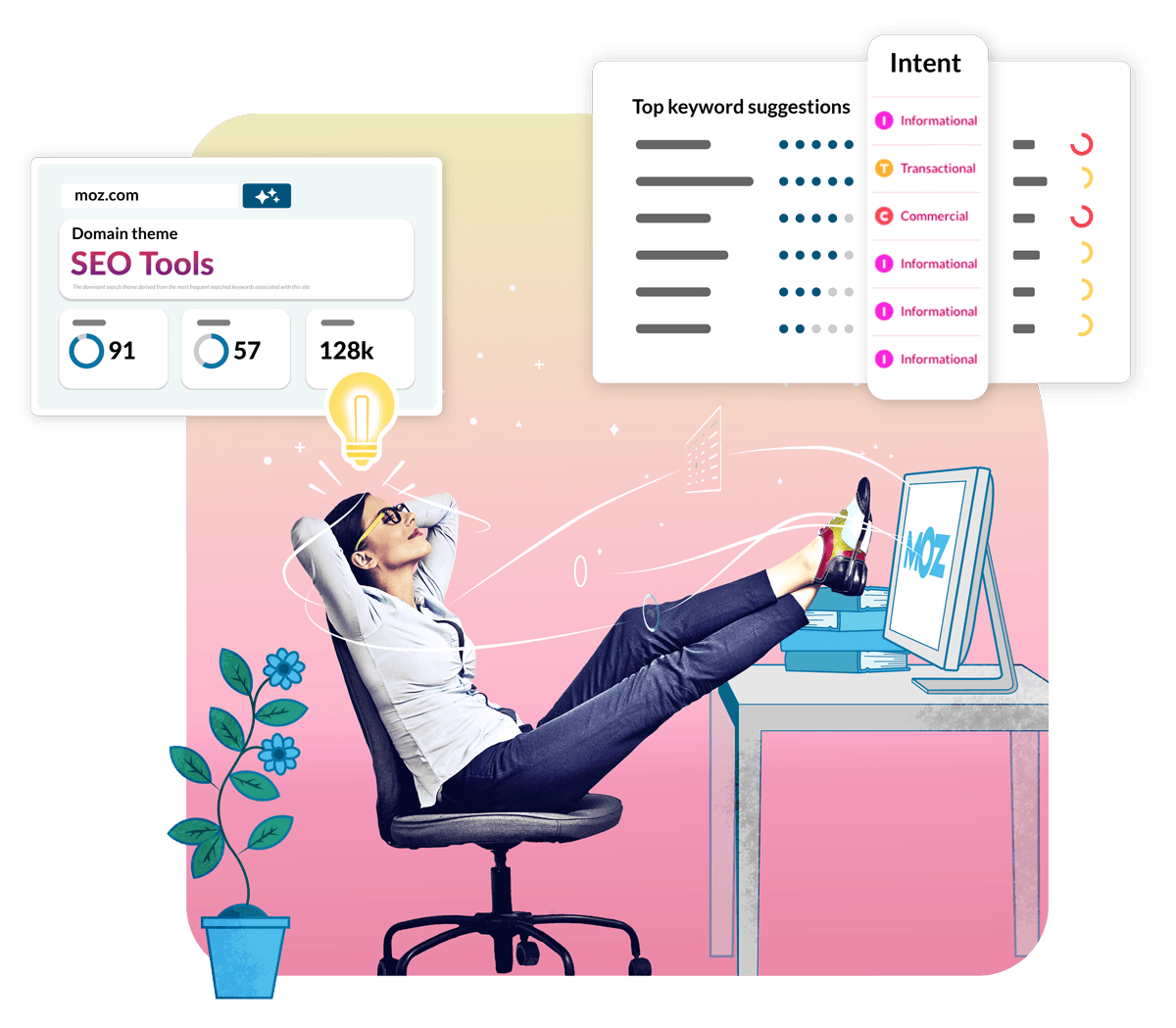
Moz offers a range of tools that can assist you in optimizing your on-page elements effectively. From keyword research tools to site audits and page optimization features, Moz provides comprehensive solutions for improving your website’s search engine performance.
Key Features of Moz for On-Page SEO:
- Keyword Explorer: Identify high-performing keywords relevant to your content.
- Site Crawl: Analyze your website’s technical SEO issues and identify areas for improvement.
- On-Page Grader: Evaluate individual pages based on targeted keywords and provide recommendations for optimization.
- Link Explorer: Monitor backlinks and track link-building efforts for improved authority.
Tips for Effective On-Page SEO with Moz
- Utilize Keyword Explorer: Conduct thorough keyword research to target the right terms for your content.
- Optimize Meta Tags: Craft compelling meta titles and descriptions that entice users to click through from search results.
- Create Quality Content: Focus on producing valuable, engaging content that resonates with your target audience.
- Regularly Audit Your Site: Use Site Crawl to identify technical issues that may impact your site’s performance in search engines.
In conclusion, leveraging Moz for on-page SEO can significantly enhance your website’s visibility and performance in search engine results. By utilising their tools effectively and implementing best practices, you can take your digital marketing efforts to the next level.
9 Essential On-Page SEO Tips for Enhancing Your Website’s Visibility
- Optimize page titles with relevant keywords
- Create unique meta descriptions for each page
- Use headings (H1, H2, etc.) to structure content and include keywords
- Optimise images with descriptive filenames and alt text
- Ensure fast loading speed of the webpage
- Include internal links to other relevant pages on your website
- Write high-quality, engaging content for users
- Optimise URLs to be concise and include keywords
- Regularly update and refresh content to keep it current
Optimize page titles with relevant keywords
Optimising page titles with relevant keywords is a crucial aspect of on-page SEO strategy when using Moz tools. By incorporating targeted keywords into your page titles, you can improve the visibility and relevance of your content to search engines and users. Moz’s On-Page Grader feature can help you assess the effectiveness of your title tags and provide recommendations for optimisation. Ensuring that your page titles are not only keyword-rich but also compelling and descriptive can significantly enhance your website’s search engine performance and drive more organic traffic to your site.
Create unique meta descriptions for each page
Creating unique meta descriptions for each page is a crucial aspect of on-page SEO, especially when utilising Moz’s tools. By crafting custom meta descriptions that accurately reflect the content of each page, you not only improve your chances of ranking higher in search engine results but also enhance the click-through rate from users. Moz’s On-Page Grader can help you evaluate and optimise these descriptions, ensuring they are compelling and relevant to attract more organic traffic to your website.
Use headings (H1, H2, etc.) to structure content and include keywords
In the realm of on-page SEO with Moz, a crucial tip is to utilise headings (H1, H2, etc.) effectively to structure content and incorporate relevant keywords. By strategically placing keywords within headings, you not only improve the readability and organisation of your content but also signal to search engines the key topics of your page. This practice not only enhances user experience but also boosts your chances of ranking higher in search results, making it a fundamental aspect of on-page SEO strategy with Moz.
Optimise images with descriptive filenames and alt text
When implementing on-page SEO strategies with Moz, a crucial tip is to optimise images by using descriptive filenames and alt text. This practice not only improves the accessibility of your website for visually impaired users but also helps search engines understand the content of your images. By incorporating relevant keywords into your image filenames and alt text, you can enhance the overall SEO performance of your webpages and increase the likelihood of your images appearing in search results. By following this simple yet effective tip, you can boost both user experience and search engine visibility for your website.
Ensure fast loading speed of the webpage
To optimise your on-page SEO using Moz, it is crucial to ensure the fast loading speed of your webpage. A speedy website not only enhances user experience but also plays a significant role in search engine rankings. By utilising Moz’s tools to analyse and improve your webpage’s loading speed, you can enhance performance, reduce bounce rates, and ultimately boost your site’s visibility and rankings in search results.
Include internal links to other relevant pages on your website
In the realm of on-page SEO with Moz, a crucial tip is to incorporate internal links to other pertinent pages on your website. By strategically linking to related content within your site, you not only enhance user experience and navigation but also signal to search engines the interconnectedness of your web pages. This practice can boost the authority and visibility of your website, ultimately improving its overall search engine rankings.
Write high-quality, engaging content for users
When it comes to on-page SEO with Moz, a crucial tip is to focus on creating high-quality and engaging content that resonates with users. By prioritising content that is informative, relevant, and captivating, you not only enhance the user experience but also improve your chances of ranking higher in search engine results. Moz’s tools can help you identify keywords and topics that are of interest to your target audience, allowing you to craft compelling content that drives traffic and boosts engagement on your website. Remember, quality content is key to establishing credibility and building a loyal online following.
Optimise URLs to be concise and include keywords
Optimising URLs to be concise and incorporate relevant keywords is a crucial aspect of on-page SEO when using Moz tools. By crafting clear and keyword-rich URLs, you not only enhance the user experience but also provide search engines with valuable information about the content of your web pages. This practice can improve your site’s visibility and ranking potential, making it easier for both users and search engines to understand the relevance of your content. By following this tip with Moz’s guidance, you can strengthen your on-page SEO strategy and drive more targeted traffic to your website.
Regularly update and refresh content to keep it current
One key tip for effective on-page SEO with Moz is to regularly update and refresh your content to ensure its relevance and accuracy. By keeping your content current, you not only provide value to your audience but also signal to search engines that your website is active and up-to-date. This practice can help improve your search engine rankings and attract more organic traffic to your site. With Moz’s tools and guidance, you can easily monitor the performance of your content and make informed decisions on when and how to refresh it for optimal results.