
Search Engine Optimisation Marketing Services: A Guide for UK Businesses
Search engine optimisation (SEO) marketing services help businesses improve their visibility in organic search results. By making a website more useful, accessible and relevant to its audience, SEO can attract qualified visitors and support long-term growth.
SEO is not a one-off task or a guaranteed route to the top of Google. It is an ongoing process that combines research, technical improvements, useful content and measurement. The right approach depends on a business’s goals, customers and market.
What are SEO marketing services?
SEO marketing services cover the work involved in helping search engines understand a website and helping people find the information, products or services they need. They may be delivered by an agency, an independent consultant or an in-house team.
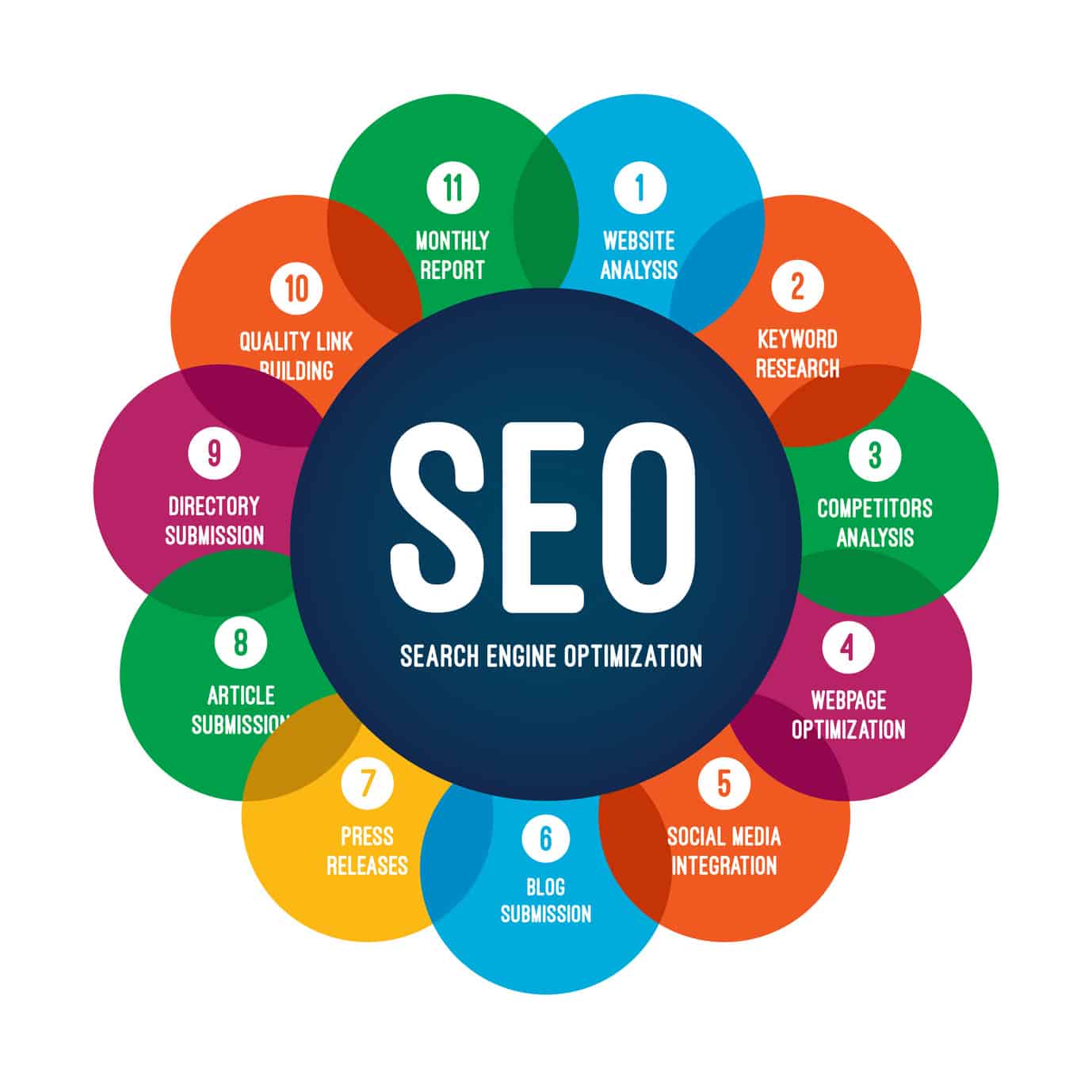
A typical SEO programme can include:
- SEO audits: Reviewing a website for technical issues, content gaps and opportunities to improve its visibility.
- Keyword and audience research: Understanding the terms people use and the questions they want answered.
- On-page optimisation: Improving page titles, headings, copy, internal links and other page elements.
- Technical SEO: Addressing issues such as crawlability, indexing, site speed, mobile usability and structured data.
- Content strategy: Planning and creating helpful, original content that meets the needs behind relevant searches.
- Local SEO: Improving visibility for location-based searches and maintaining accurate business information online.
- Digital PR and link earning: Building awareness and earning relevant links through valuable content and legitimate outreach.
- Reporting and analysis: Tracking performance and using the findings to guide future work.
Why invest in SEO?
Search is often an important way for potential customers to discover businesses. A well-planned SEO strategy can help a website appear for relevant searches, answer customer questions and make it easier for visitors to take the next step.
Unlike paid advertising, organic search visibility does not depend on paying for every click. However, SEO still requires investment in expertise, content and improvements, and results can take time. Rankings are also affected by competition, search engine changes and the quality of the overall website experience.
How SEO marketing services work
Research and discovery
Work usually begins with learning about the business, its audience, products or services and commercial priorities. Search demand, competitors and existing website performance can then be assessed to identify the most relevant opportunities.
Website and technical review
Search engines need to be able to access and understand important pages. A technical review may examine site structure, indexation, broken links, duplicate pages, mobile performance and loading speed. Fixing technical problems can help search engines interpret a site more effectively and improve the experience for visitors.
Content and on-page improvements
Useful content should address real audience needs rather than simply repeat keywords. SEO specialists may recommend refining existing pages, creating new resources or improving the way information is organised. Clear page titles, descriptive headings and thoughtful internal links also help users and search engines navigate a website.
Authority and trust
Relevant references from reputable websites can help people discover a business and provide useful context about its expertise. Sustainable approaches focus on earning attention through useful resources, strong digital PR and genuine relationships. Buying links or using manipulative tactics can put a website at risk and should be avoided.
Measurement and refinement
SEO performance should be assessed against business objectives, not rankings alone. Depending on the organisation, useful measures may include organic visits, enquiries, sales, qualified leads, visibility for priority topics and engagement with key pages. Regular analysis helps identify what is working and where the strategy needs to change.
Choosing an SEO service provider
SEO providers differ in their expertise, working methods and areas of specialism. Before choosing a partner, consider the following:
- Clarity: Are recommendations explained in plain language, with a clear connection to business goals?
- Approach: Does the provider focus on useful content, sound technical practice and sustainable growth?
- Evidence: Can the provider explain its process and share relevant examples without promising guaranteed rankings?
- Reporting: Will reports show meaningful outcomes and explain the work completed?
- Fit: Does the provider understand the organisation’s market, resources and internal processes?
- Ownership: Will the business retain access to its website, analytics accounts and content?
Be cautious of claims of instant results, guaranteed positions or secret techniques. Search engines continually update how they assess pages, so credible SEO relies on testing, sound judgement and ongoing improvement.
How long does SEO take?
There is no universal timeline. The time needed to see meaningful progress depends on factors such as a website’s current condition, the level of competition, the scale of the required work and how quickly changes can be implemented. Some improvements may have an early impact, while broader gains in visibility and traffic often require sustained effort.
A good provider will set realistic expectations, identify early indicators of progress and review the plan as evidence becomes available.
SEO as part of a wider marketing strategy
SEO works best when it supports a clear marketing plan. Insights from search behaviour can inform website content, product information, customer support and other marketing activity. SEO can also complement paid search, email marketing, social media and public relations, while each channel continues to serve its own role.
Making SEO work for your business
Effective search engine optimisation marketing services combine technical knowledge with an understanding of customers and commercial priorities. The aim is not simply to attract more visitors, but to make a website more discoverable and useful for the people most likely to benefit from what a business offers.
With clear objectives, a realistic strategy and consistent measurement, SEO can become a valuable part of a business’s long-term digital marketing activity.
Essential Tips for Choosing Effective SEO Marketing Services
- Set clear SEO goals before choosing a service.
- Check providers’ experience in your industry.
- Ask for a tailored strategy, not a one-size-fits-all package.
- Prioritise useful content and a sound technical foundation.
- Request regular reports with meaningful performance measures.
- Avoid providers promising instant rankings or guaranteed results.
- Make sure link-building practices are ethical and relevant.
- Review progress regularly and refine your strategy.
Set clear SEO goals before choosing a service.
Before choosing a search engine optimisation marketing service, decide what you want SEO to achieve for your business. Your goals might include increasing relevant website visits, generating more enquiries or sales, improving visibility in a particular region, or strengthening performance for specific products or services. Clear objectives help you compare providers, agree on realistic measures of success and ensure the strategy supports your wider business priorities.
Check providers’ experience in your industry.
Check whether a provider has experience in your industry and understands its audience, terminology and competitive landscape. Relevant experience can help them identify valuable search opportunities and anticipate sector-specific challenges. Ask for examples of similar work and what the provider learned, but look beyond industry matches too: a strong, transparent approach and a clear understanding of your business goals matter just as much.
Ask for a tailored strategy, not a one-size-fits-all package.
Ask for a tailored strategy rather than a one-size-fits-all SEO package. Every business has different goals, customers, competition and website challenges, so an effective plan should reflect your specific needs. A good SEO provider will take time to understand your business, explain their recommendations and prioritise work based on its potential impact, available resources and budget.
Prioritise useful content and a sound technical foundation.
Prioritise useful content and a sound technical foundation when investing in search engine optimisation marketing services. Create clear, original pages that answer your audience’s questions and help them make informed decisions, rather than writing solely to include keywords. At the same time, ensure your website is easy to navigate, works well on mobile devices, loads efficiently and allows search engines to find and understand its important pages. Combining helpful content with reliable technical SEO gives visitors a better experience and creates a stronger basis for sustainable search visibility.
Request regular reports with meaningful performance measures.
Request regular SEO reports that focus on meaningful measures, not just rankings or traffic totals. A useful report should show progress against your business goals, such as qualified enquiries, sales, organic visits to important pages and conversions, alongside the work completed and any issues or opportunities identified. Ask your provider to explain what the results mean and what they recommend doing next, so you can see how SEO activity is contributing to your wider marketing performance.
Avoid providers promising instant rankings or guaranteed results.
When choosing search engine optimisation marketing services, be wary of providers promising instant rankings or guaranteed results. Search engines use complex, frequently changing systems, and no agency can control how or when a website ranks. SEO takes time, and progress depends on factors such as competition, your website’s starting point and how quickly improvements are made. Look for a provider that sets realistic expectations, explains its approach clearly and focuses on sustainable improvements rather than quick fixes.
Make sure link-building practices are ethical and relevant.
Choose link-building practices that are ethical, relevant and focused on earning genuine recognition. Seek links from trustworthy websites in your industry or local community by creating useful content, sharing original insights and building authentic relationships. Avoid buying links or using schemes designed to manipulate search rankings, as these can damage your website’s credibility and risk search engine penalties.
Review progress regularly and refine your strategy.
Review your SEO progress regularly to understand what is working and where there is room to improve. Track meaningful measures such as organic traffic, relevant search visibility, enquiries and sales, rather than focusing on rankings alone. Use these insights to refine your content, technical priorities and wider strategy as customer needs, competition and search engine results change.