
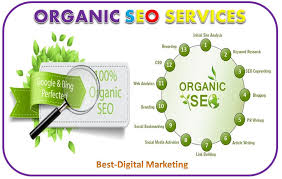
What Does an Organic SEO Expert Do?
An organic SEO expert helps businesses improve their visibility in unpaid search results. Rather than relying on advertising to appear at the top of a results page, organic search engine optimisation focuses on making a website more useful, relevant and accessible to both visitors and search engines.
Organic SEO is a long-term discipline. Results can take time, and no reputable specialist can guarantee a particular ranking. However, a considered strategy can help attract people who are actively searching for a business’s products, services or expertise.
What is organic SEO?
Organic SEO involves improving a website so that search engines can understand its content and present it to people searching for relevant information. It includes technical improvements, useful content, site structure and signals that help establish a website’s credibility.
It differs from paid search advertising, where businesses pay for sponsored placements. Organic listings are not bought directly, although businesses may invest in the expertise and work needed to improve their websites.
What an organic SEO expert can help with
The work will vary according to a website’s needs, audience and competition. Common areas of support include:
- SEO audits: Reviewing a website to identify technical issues, content gaps and opportunities for improvement.
- Keyword and search intent research: Understanding the language people use and what they hope to find when they search.
- On-page optimisation: Improving page titles, headings, internal links and content so that pages are clear and relevant.
- Content strategy: Planning helpful pages and articles that answer real questions and support the customer journey.
- Technical SEO: Addressing issues such as crawling, indexing, site speed, mobile usability and structured data.
- Authority and reputation: Advising on ways to earn credible references and links, rather than relying on manipulative tactics.
- Measurement and reporting: Tracking meaningful indicators such as organic traffic, enquiries, sales and visibility for relevant searches.
Why work with an organic SEO expert?
Search engines consider many factors when deciding which pages to show. A specialist can help prioritise the work that is most likely to make a practical difference, while ensuring that technical changes and content plans support broader business goals.
For example, a website may receive visits but few enquiries. The issue might not be its rankings: important information could be difficult to find, the pages may not match visitors’ needs, or the next step may be unclear. An experienced SEO professional looks beyond traffic alone and considers how search visibility contributes to the whole user experience.
How to choose the right specialist
Look for an organic SEO expert who takes time to understand your business, customers and objectives. They should be able to explain their recommendations in plain English and show how proposed work will be prioritised and measured.
Ask prospective specialists questions such as:
- How will you assess the current website and identify priorities?
- What work would you recommend in the first few months?
- How will you measure progress beyond rankings?
- Who will create or approve content and implement technical changes?
- How will you keep us informed about progress and challenges?
Be cautious of promises of instant results, guaranteed first-page rankings or large volumes of links for a low fee. Search performance depends on many factors, including competition, the website’s starting point and the quality of its offering. Sustainable SEO requires informed decisions, consistent work and realistic expectations.
What to expect from an SEO engagement
A typical engagement starts with research and an assessment of the website. The SEO specialist then agrees priorities, which might include resolving technical barriers, improving key service pages or creating content around important topics. Progress is reviewed regularly, and the strategy is adjusted as data and business needs change.
Organic search should not be treated as a one-off project. Search behaviour, competitors and search engine systems evolve. Ongoing monitoring helps a business protect what is working and identify new opportunities, while keeping its website accurate and useful.
Building lasting organic visibility
The best organic SEO combines technical knowledge with a clear understanding of people. A good specialist does not optimise for search engines at the expense of visitors. Instead, they help make a website easier to discover, understand and use.
For businesses seeking sustainable growth from search, working with an organic SEO expert can provide the insight and direction needed to make that progress more focused. The aim is not simply to attract more visitors, but to connect the right people with the right information at the right time.
Top 5 Tips for Mastering Organic SEO: Boost Your Online Presence
- Focus on useful, original content.
- Research keywords your audience uses.
- Improve page titles and meta descriptions.
- Build relevant, trustworthy backlinks.
- Track rankings and refine your strategy.
Focus on useful, original content.
An organic SEO expert will prioritise useful, original content that answers your audience’s questions and offers genuine value. Rather than repeating what is already online or writing solely to include keywords, create clear, accurate and distinctive pages that reflect your expertise and meet visitors’ needs. This helps people find the information they’re looking for and gives search engines a stronger understanding of your website.
Research keywords your audience uses.
Research the words and phrases your audience uses when searching for products, services or advice like yours. An organic SEO expert can use keyword research tools, search suggestions and customer questions to identify relevant terms, understand what people expect to find, and group related searches by topic. This helps you create useful, well-targeted pages that match genuine search intent, rather than simply repeating popular keywords.
Improve page titles and meta descriptions.
Improve your page titles and meta descriptions to give people a clear, accurate reason to visit your website from search results. Write a unique title for each important page, include its main topic naturally and keep it concise. Use the meta description to summarise what the page offers and, where appropriate, encourage the reader to take the next step. While meta descriptions do not directly determine rankings, relevant, helpful wording can make your listing more appealing and help attract qualified visitors.
Build relevant, trustworthy backlinks.
Build relevant, trustworthy backlinks by creating useful content that reputable websites genuinely want to reference. Links from respected, relevant sources can help search engines understand your site’s credibility, while also bringing interested visitors to your pages. Focus on earning links through expert contributions, original research and valuable resources rather than buying links or using schemes that could put your site at risk.
Track rankings and refine your strategy.
Track your rankings regularly to understand which pages are gaining visibility and where there’s room to improve. Look beyond position alone: review organic traffic, relevant search queries and conversions to see whether you’re reaching the right audience. Use these insights to refine your strategy, updating useful content, strengthening internal links or addressing technical issues where needed. Rankings can fluctuate, so focus on sustained progress rather than reacting to every short-term change.