
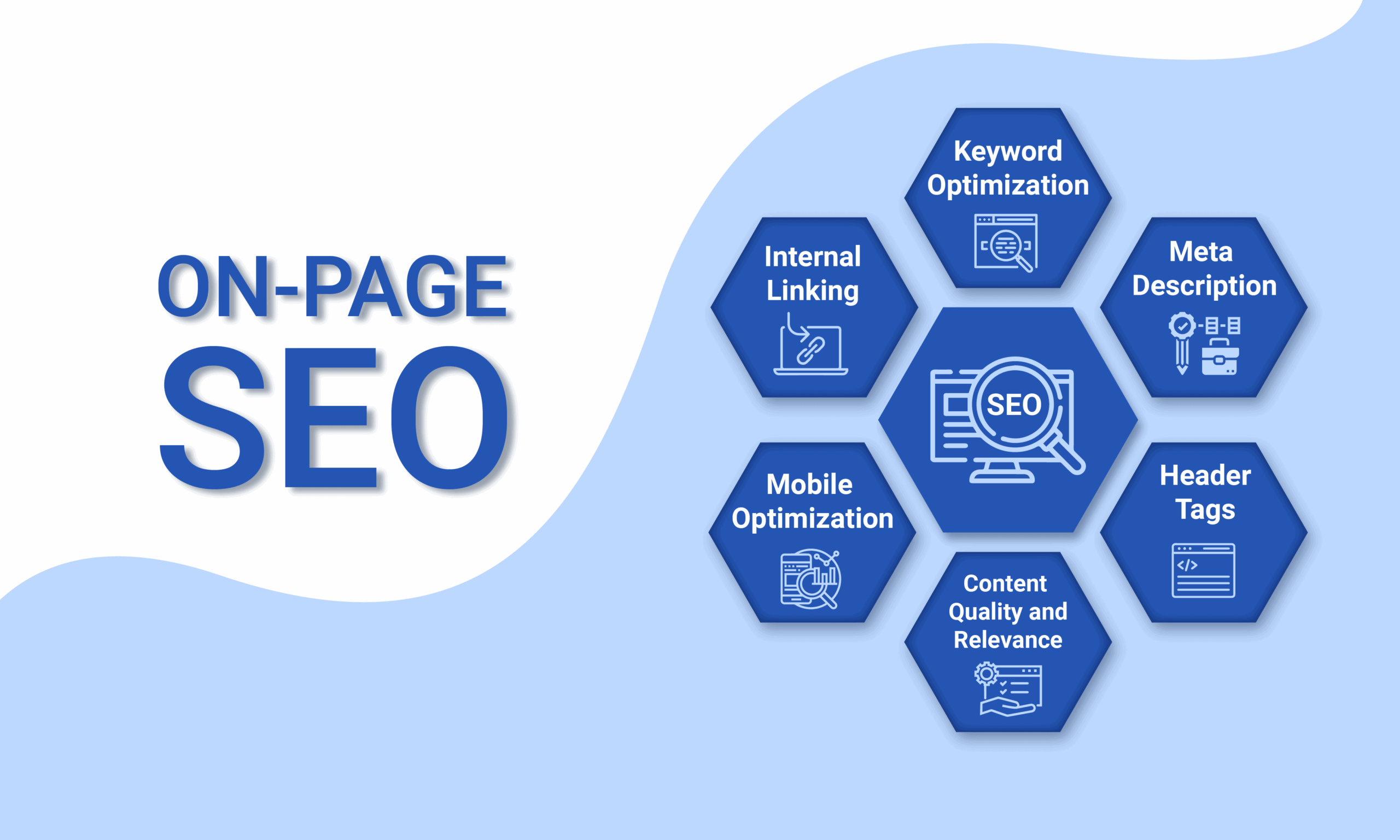
The Importance of On-Page SEO Content
When it comes to search engine optimization (SEO), on-page content plays a crucial role in determining the visibility and ranking of a website. In simple terms, on-page SEO content refers to the text, images, and multimedia elements that are present on a web page.
Creating high-quality on-page content is essential for several reasons:
- Relevance: Search engines like Google prioritize websites that have relevant and informative content. By incorporating relevant keywords and topics into your on-page content, you can improve your website’s chances of ranking higher in search results.
- User Experience: Well-crafted on-page content not only helps search engines understand the context of your website but also enhances the user experience. Engaging and informative content keeps visitors on your site longer, reducing bounce rates and increasing the likelihood of conversions.
- Crawlability: Search engine bots crawl through web pages to index them for search results. Optimizing your on-page content with proper headings, meta tags, and structured data makes it easier for search engines to understand and index your website.
To optimize your on-page SEO content effectively, consider the following tips:
- Keyword Research: Conduct thorough keyword research to identify relevant terms and phrases that users are searching for. Incorporate these keywords naturally into your content without overstuffing.
- Title Tags and Meta Descriptions: Write compelling title tags and meta descriptions that accurately describe the content of each page. These elements appear in search results and can influence click-through rates.
- Quality Content: Create unique, valuable, and engaging content that addresses the needs of your target audience. Use headings, bullet points, and multimedia elements to enhance readability.
In conclusion, on-page SEO content is a fundamental aspect of any successful SEO strategy. By focusing on creating high-quality, relevant, and user-friendly content, you can improve your website’s visibility, attract more organic traffic, and ultimately achieve better rankings in search engine results pages.
Seven Key Benefits of On-Page SEO Content for Enhancing Website Performance
- Improves website visibility in search engine results
- Enhances user experience by providing valuable and relevant content
- Increases organic traffic to the website
- Helps establish authority and credibility in the industry
- Optimizes web pages for targeted keywords and phrases
- Boosts conversion rates by engaging visitors with quality content
- Allows for better tracking and analysis of website performance
Challenges of On-Page SEO: Over-Optimisation, Quality Concerns, and Time Investment
Improves website visibility in search engine results
One of the key benefits of optimising on-page SEO content is its ability to enhance website visibility in search engine results. By strategically incorporating relevant keywords, meta tags, and structured data into the content, websites can improve their chances of ranking higher in search engine results pages. This increased visibility not only drives more organic traffic to the site but also boosts brand recognition and credibility among users searching for related topics or products. Ultimately, a well-optimised on-page SEO content can significantly impact a website’s online presence and overall success in the digital landscape.
Enhances user experience by providing valuable and relevant content
One of the key benefits of on-page SEO content is its ability to enhance user experience by offering valuable and relevant information to visitors. By creating content that addresses the needs and interests of users, websites can engage their audience effectively, keeping them on the site longer and increasing the likelihood of conversions. Providing informative and engaging content not only satisfies user intent but also establishes credibility and trust, ultimately leading to a positive interaction between the user and the website.
Increases organic traffic to the website
One of the key benefits of optimising on-page SEO content is its ability to significantly boost organic traffic to a website. By strategically incorporating relevant keywords, meta tags, and high-quality content, websites can attract more visitors from search engine results pages. This increase in organic traffic not only enhances the overall visibility of the website but also brings in targeted users who are actively seeking the products or services offered. Ultimately, a well-executed on-page SEO strategy can drive more qualified traffic to the site, leading to higher engagement and potential conversions.
Helps establish authority and credibility in the industry
Incorporating high-quality on-page SEO content on a website is instrumental in establishing authority and credibility within the industry. By creating informative and relevant content that addresses the needs and interests of the target audience, a website can position itself as a trusted source of information. Search engines recognise websites that consistently provide valuable content, which can lead to higher rankings and increased visibility. Ultimately, by showcasing expertise and reliability through on-page SEO content, a website can enhance its reputation and credibility within the industry.
Optimizes web pages for targeted keywords and phrases
Optimizing web pages for targeted keywords and phrases is a key benefit of on-page SEO content. By strategically incorporating relevant keywords into the content, meta tags, headings, and other on-page elements, websites can effectively signal to search engines the relevance of their pages to specific search queries. This practice not only helps improve organic search visibility but also enhances the overall user experience by providing users with content that matches their search intent. Ultimately, optimising web pages for targeted keywords and phrases is essential for driving targeted traffic to a website and increasing its chances of ranking higher in search engine results pages.
Boosts conversion rates by engaging visitors with quality content
One significant advantage of on-page SEO content is its ability to boost conversion rates by engaging visitors with high-quality and relevant information. By creating compelling content that meets the needs and interests of users, websites can capture the attention of visitors and encourage them to take desired actions, such as making a purchase, signing up for a newsletter, or filling out a contact form. Engaging on-page content not only keeps visitors on the site longer but also builds trust and credibility, increasing the likelihood of conversions and ultimately driving business growth.
Allows for better tracking and analysis of website performance
One significant advantage of on-page SEO content is that it enables better tracking and analysis of website performance. By incorporating specific keywords, meta tags, and structured data into the content, website owners can gain valuable insights into how their pages are performing in search engine results. This data allows for more informed decision-making regarding content optimization strategies, ultimately leading to improved visibility and effectiveness in reaching target audiences.
Over-optimization Risk
One significant drawback of on-page SEO content is the risk of over-optimization. When website owners concentrate excessively on keyword placement and density within their content, they run the danger of over-optimizing, which can have a detrimental impact on their website’s ranking. Over-optimization can make the content seem unnatural and forced, potentially leading to penalties from search engines and a decline in organic visibility. It is crucial to strike a balance between incorporating relevant keywords and maintaining the natural flow and quality of the content to avoid this detrimental consequence.
Content Quality Issues
One notable con of on-page SEO content is the risk of compromising content quality in pursuit of meeting SEO requirements. When prioritizing search engine optimization over creating valuable and engaging content, there is a danger of producing shallow or uninteresting material that does not resonate with users. Focusing solely on keywords and technical SEO elements without considering the overall quality and relevance of the content can lead to a disconnect with the target audience, ultimately diminishing the effectiveness of the website in capturing and retaining user interest.
Time-Consuming Process
Crafting high-quality on-page SEO content can be a time-consuming process, demanding significant effort and attention to detail. From conducting thorough keyword research to meticulously creating and optimizing the content, every step requires careful consideration and dedication. This time investment is necessary to ensure that the content is not only relevant and engaging but also effectively optimised for search engines. Despite being a labour-intensive task, the payoff of well-crafted on-page SEO content in terms of improved visibility and search engine rankings makes the time and effort worthwhile for businesses seeking online success.