
Local SEO Ranking: How to Improve Your Visibility in Local Search
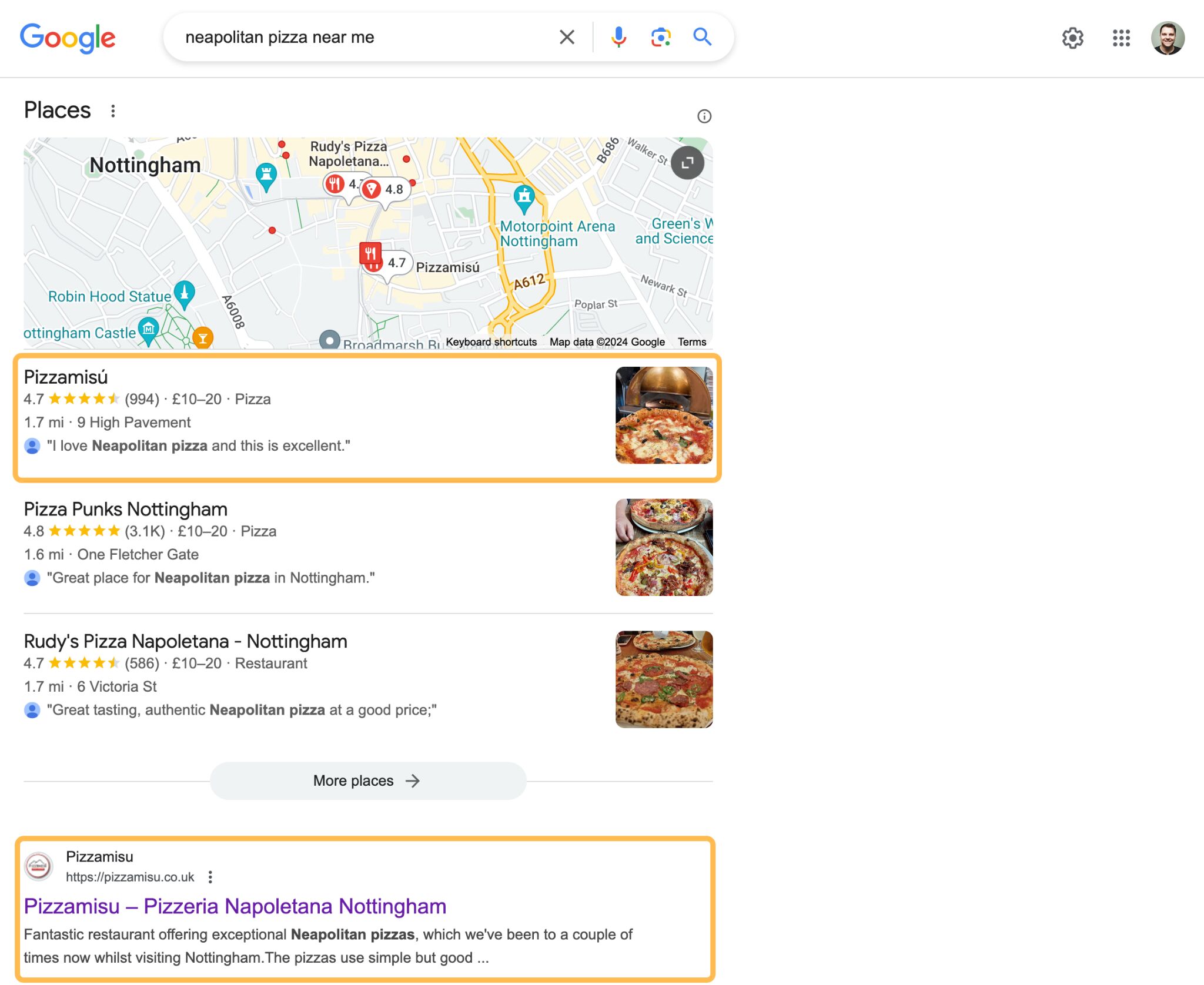
When someone searches for a nearby service, such as “plumber in Bristol” or “coffee shop near me”, search engines aim to show useful local results. Appearing prominently can help a business reach people who are actively looking for what it offers.
Local SEO is the work involved in improving a business’s visibility in geographically relevant search results. There is no single setting that guarantees a high ranking. Instead, search engines consider a range of signals to decide which businesses are relevant, trustworthy and close enough to serve the searcher.
What affects local SEO rankings?
Google describes local results in terms of three broad considerations: relevance, distance and prominence.
- Relevance: How closely a business matches what the person has searched for.
- Distance: How far the business is from the searcher or the location included in the search.
- Prominence: How well known and established the business appears to be, based on information such as reviews, links and online mentions.
Businesses cannot control every factor, particularly a searcher’s location. However, they can make their information clearer, strengthen their online reputation and ensure their website answers local customers’ needs.
Complete your Google Business Profile
A Google Business Profile can help eligible businesses appear in Google Maps and local search results. Check that the profile is claimed, verified and filled in accurately.
Pay particular attention to:
- Your business name, address and phone number
- Opening hours, including special holiday hours
- The most accurate primary and additional categories
- A clear description of your services
- Relevant photographs and, where appropriate, videos
- Services, products and booking details
Keep the profile up to date. Incorrect or incomplete information can make it harder for potential customers to choose your business and may undermine confidence in your listing.
Keep business details consistent
Your business name, address and phone number should be accurate wherever they appear online. This includes your website, business directories and social profiles. Consistency helps customers and search engines identify which information belongs to your business.
Use your real-world business name and address. Adding extra keywords or locations to a business name when they are not part of its genuine name can breach platform guidelines and risk penalties.
Build useful local pages on your website
Your website should explain what you do, where you work and who you help. Include your location and service area naturally in relevant page titles, headings and copy, rather than repeating place names unnaturally.
If you serve several towns or regions, create a dedicated page for each important area only when there is genuinely useful, distinct information to share. Thin pages that simply swap one town name for another are unlikely to provide a good experience.
Useful local content could include:
- Service pages that explain what customers can expect
- Project examples or case studies from the area
- Practical answers to common local questions
- Directions, service-area details and contact information
Earn and respond to customer reviews
Reviews can help prospective customers assess a business and may contribute to its local prominence. Make it easy for genuine customers to leave feedback, but never buy reviews, offer incentives in exchange for positive ratings or pressure people to post.
Respond professionally to both positive and negative reviews. A considered response shows that the business pays attention to customer feedback. Avoid sharing private customer details in public replies.
Strengthen local authority
Links and mentions from relevant, credible websites can help establish a business’s prominence. Consider legitimate opportunities such as local business associations, community organisations, industry directories, sponsorships and local publications.
Focus on relationships and useful contributions, not on collecting large numbers of low-quality links. Unnatural link schemes can create risk rather than lasting value.
Make your website easy to use
Many local searches happen on mobile devices, so make sure your website works well on smaller screens. Pages should load reliably, contact details should be easy to find and key actions—such as calling, booking or requesting a quote—should be straightforward.
Also check that your site uses HTTPS, has clear navigation and provides descriptive page titles. These improvements support usability and help search engines understand your content.
Measure the right results
Local rankings can vary depending on the searcher’s location, device and query. A single ranking check may not show the whole picture. Track a range of indicators, including:
- Calls, direction requests and website visits from your business profile
- Organic visits to local service pages
- Enquiries, bookings or sales from local visitors
- Review volume, quality and response activity
- Visibility for relevant searches across the areas you serve
Use analytics and search performance tools to identify what is working, then improve pages and listings based on real customer needs.
Common local SEO mistakes to avoid
- Creating multiple business profiles for the same location
- Using a virtual office or an address where the business is not eligible to receive customers
- Adding keywords to a business name when they are not part of its real name
- Publishing duplicate or low-value location pages
- Buying reviews or links
- Leaving old addresses, phone numbers or opening hours online
How long does local SEO take?
There is no fixed timescale for improving local search visibility. Results depend on factors such as competition, the business’s current online presence, its location and the quality of its website and profile information. Some improvements can be made quickly, while building authority and a strong review profile usually takes consistent effort.
Conclusion
Improving local SEO rankings means making it easy for search engines and customers to understand what your business offers, where it operates and why it can be trusted. Start with accurate business information, a complete profile, helpful local website content and genuine customer feedback. Review your performance regularly and keep improving based on the needs of the people you want to reach.
25 Essential FAQs for Improving Your Local SEO Rankings
- How do I rank higher locally?
- What are local ranking factors?
- How to rank local SEO?
- What makes up local SEO?
- What are the best SEO companies for local SEO?
- How to do local SEO in 2022?
- Is local SEO still relevant?
- What are the 4 types of SEO?
- What is the best way to rank local business in local SEO?
- How do I rank locally on Google?
- What is local SEO audit?
- How does local SEO rank keywords?
- Is local SEO free?
- What is Google local ranking?
- How are local keywords ranked?
- How do you rank in local search results?
- How do I master local SEO?
- How do I run local SEO?
- How do you rank local keywords?
- How do I find my SEO ranking?
- Is local SEO paid?
- What are the 4 SEO rank factors?
- What are the three ranking factors for local SEO?
- How do you rank local search?
- How do I rank first in local SEO?
How do I rank higher locally?
To rank higher locally, make sure your Google Business Profile is complete, accurate and kept up to date, with the right categories, opening hours and contact details. Use consistent business information across your website and trusted directories, and create useful pages that clearly describe your services and the areas you serve. Encourage genuine customer reviews and respond to them professionally. You can also build local prominence through relevant community links and mentions. Local results vary by searcher location and competition, so track calls, enquiries and visibility over time rather than relying on a single ranking check.
What are local ranking factors?
Local ranking factors are the signals search engines use to decide which businesses to show in location-based results. They broadly include relevance (how well your business matches the search), distance (how close it is to the searcher or the location they specify) and prominence (how established and trusted it appears online). Accurate business details, a complete Google Business Profile, relevant website content, genuine customer reviews and reputable local links can all help strengthen your local visibility, although no single factor guarantees a higher ranking.
How to rank local SEO?
To improve your local SEO ranking, make sure your Google Business Profile is claimed, complete and accurate, with up-to-date opening hours, contact details and relevant categories. Keep your business information consistent across your website and trusted directories, and create useful pages that clearly describe your services and the areas you serve. Encourage genuine customer reviews and respond to them professionally, while earning relevant mentions from reputable local organisations. Track calls, website visits and enquiries—not just rankings—and update your approach as you learn what works. Local results also depend on the searcher’s location, so no single tactic can guarantee a particular position.
What makes up local SEO?
Local SEO is made up of several connected elements that help search engines match a business with nearby customers. These include an accurate and complete Google Business Profile, consistent business details across online directories, relevant location and service pages on your website, genuine customer reviews, and links or mentions from trusted local organisations. Website quality, mobile usability and clear contact information also matter. Together, these signals help search engines assess how relevant and prominent your business is for local searches.
What are the best SEO companies for local SEO?
The best SEO company for local SEO is one that understands your market, has experience with businesses similar to yours and can explain its strategy clearly. Look for a provider that focuses on accurate business listings, Google Business Profile optimisation, useful location pages, genuine reviews and measurable results—not guaranteed rankings or questionable shortcuts. Ask for relevant case studies, clear reporting and details of what is included before choosing a company, as the right fit will depend on your location, competition, goals and budget.
How to do local SEO in 2022?
To improve local SEO in 2022, start by claiming and completing your Google Business Profile with accurate contact details, opening hours, categories and service information. Keep your business name, address and phone number consistent across your website and reputable directories, and create useful pages that clearly describe your services and the locations you cover. Encourage genuine customer reviews and respond to them professionally, make sure your website works well on mobile devices, and build links and mentions from relevant local organisations. Track calls, website visits, enquiries and local search visibility so you can see which improvements are working.
Is local SEO still relevant?
Yes, local SEO is still relevant for businesses that serve customers in a particular area. People continue to use search engines and maps to find nearby services, compare options and check details such as opening hours and reviews. A complete, accurate business profile, useful location-focused website content and a strong reputation can help your business appear for relevant local searches. Results depend on factors such as the searcher’s location, competition and the quality of your online presence, so local SEO is best treated as an ongoing part of your marketing.
What are the 4 types of SEO?
The four commonly recognised types of SEO are **on-page SEO**, **off-page SEO**, **technical SEO** and **local SEO**. On-page SEO improves the content and elements on your website, such as headings and page titles. Off-page SEO focuses on signals beyond your site, including reputable links and brand mentions. Technical SEO helps search engines crawl, understand and index your website, while local SEO aims to improve visibility for searches connected to a particular place. These areas often overlap, and the right balance depends on your business and audience.
What is the best way to rank local business in local SEO?
The best way to improve a local business’s SEO ranking is to make its information accurate, complete and consistent across its Google Business Profile, website and relevant directories. Choose the most suitable business categories, clearly describe your services and locations, and create genuinely useful pages for the areas you serve. Encourage genuine customer reviews and respond to them professionally, while earning relevant local links and mentions. Local rankings also depend on the searcher’s location and competition, so track calls, enquiries and visibility over time rather than relying on a single ranking check.
How do I rank locally on Google?
To improve your local ranking on Google, claim and complete your Google Business Profile with accurate details, relevant categories, opening hours and services. Make sure your business name, address and phone number are consistent across your website and reputable directories, and create helpful website pages that clearly explain what you offer and which areas you serve. Encourage genuine customer reviews and respond to them professionally, while building relevant links and mentions from trusted local organisations. Local rankings also depend on the searcher’s location, so proximity is not something you can fully control—and no tactic can guarantee a particular position.
What is local SEO audit?
A local SEO audit is a review of how well your business is set up to appear in location-based search results. It typically checks your Google Business Profile, business name, address and phone number consistency, website content, local landing pages, reviews, online listings, links and technical performance. The audit highlights issues that may be limiting your visibility and recommends practical steps to help local customers find and choose your business.
How does local SEO rank keywords?
Local SEO ranks keywords by assessing how relevant your business is to a search, how close it is to the searcher and how prominent or trusted it appears online. Your Google Business Profile, website content, reviews, local links and consistent business details can all help search engines understand which searches and locations your business is relevant to. Rankings can vary by searcher and location, so focus on providing accurate information and useful content rather than repeating keywords unnaturally.
Is local SEO free?
Local SEO can be done without paying for advertising: setting up a Google Business Profile and improving your website’s local content are generally free. However, it still takes time and effort to maintain accurate listings, earn genuine reviews and build useful local pages. You may also choose to pay for tools or professional SEO support. Local SEO can improve visibility in organic results, but it does not guarantee rankings or replace paid advertising.
What is Google local ranking?
Google local ranking is the position a business appears in local search results, including Google Maps and the local listings shown for searches with a geographic or “near me” intent. Google says local results are mainly influenced by relevance, distance and prominence: how well the business matches the search, how close it is to the searcher, and how established or well known it appears. Businesses can support their local visibility by keeping their Google Business Profile accurate and complete, earning genuine customer reviews and maintaining helpful, consistent information across their website and other online listings.
How are local keywords ranked?
Local keywords are ranked according to how well a business matches the search, how close it is to the searcher or chosen location, and how prominent and trusted it appears online. Search engines also consider the usefulness of a business’s website and listing, the accuracy of its details, and signals such as relevant reviews and links. Because results can vary by location, device and search wording, there is no fixed position for a local keyword everywhere.
How do you rank in local search results?
To rank in local search results, make sure your Google Business Profile is claimed, verified and complete, with accurate business details, opening hours and relevant categories. Keep your name, address and phone number consistent across your website and trusted directories, and create useful pages that explain your services and the areas you serve. Encourage genuine customer reviews and respond to them professionally, while building links and mentions from relevant local organisations and websites. Local rankings also depend on relevance, distance and prominence, so focus on providing accurate information and a helpful experience rather than expecting a guaranteed position.
How do I master local SEO?
To master local SEO, make sure your Google Business Profile is complete and accurate, keep your business name, address and phone number consistent online, and create useful website content for the places and services you genuinely cover. Encourage customers to leave honest reviews and respond to them professionally, while building relationships with reputable local organisations and websites. Track calls, enquiries, website visits and visibility across relevant searches, then refine your approach over time—local rankings vary by searcher and location, so consistent, trustworthy information matters more than quick fixes.
How do I run local SEO?
To run local SEO, start by claiming and completing your Google Business Profile with accurate details, relevant categories, opening hours and photos. Keep your business name, address and phone number consistent across your website and trusted directories. Create useful pages about your services and the areas you genuinely serve, encourage customers to leave honest reviews and respond to feedback professionally. You can also build local visibility through relevant community links and mentions. Track calls, enquiries, website visits and local search performance, then update your approach based on what is working.
How do you rank local keywords?
To rank for local keywords, create helpful pages that clearly describe your services and the areas you genuinely serve. Use relevant location terms naturally in page titles, headings and copy, and make sure your Google Business Profile has accurate details and suitable categories. Keep your business information consistent across your website and trusted directories, encourage genuine customer reviews, and earn relevant local links and mentions. Track local visibility alongside enquiries and calls, then refine your pages based on what customers are searching for.
How do I find my SEO ranking?
To find your SEO ranking, search for the relevant keywords in Google and note where your website appears. However, results can vary by location, device and search history, so a single manual search may not give an accurate picture. For a more reliable view, use Google Search Console to check which queries bring people to your site and your average position, or use an SEO rank-tracking tool to monitor specific keywords and locations over time. For local searches, check your Google Business Profile performance and track visibility in the areas you serve.
Is local SEO paid?
Local SEO itself isn’t paid: you can improve your visibility in local search results through organic activities such as maintaining an accurate Google Business Profile, improving your website and earning genuine customer reviews. However, it may require an investment of time or money if you hire an SEO professional, use specialist tools or create content. Paid advertising is a separate option and can help your business appear in sponsored placements, but it doesn’t directly buy higher organic local rankings.
What are the 4 SEO rank factors?
There is no official list of exactly four SEO ranking factors, but they are often grouped as content relevance, technical SEO, website authority and user experience. For local SEO, these include creating useful pages that match local searches, ensuring your site is crawlable and mobile-friendly, earning credible links and mentions, and making it easy for visitors to find information or contact you. Search engines also consider local signals such as your business profile, reviews and proximity to the searcher.
What are the three ranking factors for local SEO?
The three main factors Google considers for local SEO rankings are relevance, distance and prominence. Relevance is how closely your business matches someone’s search; distance is how far your business is from the searcher or the location they specify; and prominence reflects how well known and trusted your business appears to be, informed by signals such as reviews, links and mentions across the web.
How do you rank local search?
To improve your local search rankings, create and maintain an accurate, complete Google Business Profile, and make sure your business name, address and phone number are consistent across your website and trusted directories. Add useful pages about your services and the locations you genuinely serve, encourage genuine customer reviews and respond to them professionally. Relevant local links, helpful content and a mobile-friendly website can also strengthen your visibility. Local results depend on factors including relevance, distance and prominence, so rankings can vary by searcher location and there is no guaranteed shortcut.
How do I rank first in local SEO?
There’s no guaranteed way to rank first in local SEO, as results vary by search, competition and the searcher’s location. Improve your chances by keeping your Google Business Profile complete and accurate, choosing relevant categories, maintaining consistent business details online, earning genuine customer reviews and responding to them, and building useful location-specific pages on your website. You can also strengthen local credibility through relevant links and community mentions. Track visibility alongside calls, enquiries and visits, then keep refining your approach.