
Submitting Your Site to Search Engines: A Comprehensive Guide
Submitting your website to search engines is a crucial step in improving its visibility and driving organic traffic. By ensuring that search engines can index your site effectively, you increase the chances of appearing in relevant search results.
Why Submit Your Site to Search Engines?
Search engines use web crawlers to discover and index new websites. By submitting your site directly to search engines, you expedite this process and ensure that your site is included in search engine databases.
How to Submit Your Site
Each search engine has its own submission process. Here are the general steps to follow when submitting your site:
- Create a sitemap for your website.
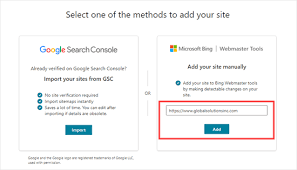
- Register an account with the search engine’s webmaster tools.
- Submit your sitemap through the webmaster tools dashboard.
- Monitor the indexing status of your site and address any issues that may arise.
Tips for Effective Submission
To maximise the effectiveness of submitting your site to search engines, consider the following tips:
- Ensure that your website is optimised for search engines with relevant keywords and meta tags.
- Create high-quality, original content that provides value to users.
- Regularly update your website with fresh content to keep it relevant and engaging.
The Importance of Regular Updates
Search engines constantly update their algorithms and ranking criteria. By regularly submitting updates to your site, you signal to search engines that your content is current and valuable, increasing the likelihood of higher rankings in search results.
In Conclusion
Submitting your site to search engines is an essential part of SEO strategy. By following best practices and staying proactive in maintaining your site’s visibility, you can improve its chances of ranking well in search results and reaching a wider audience online.
7 Essential Tips for Successfully Submitting Your Website to Search Engines
- Ensure your website is live and fully functional before submitting to search engines.
- Create a sitemap for your website to help search engines index all your pages efficiently.
- Submit your website to popular search engines like Google, Bing, and Yahoo for broader visibility.
- Focus on creating high-quality content that is relevant to your target audience for better search engine rankings.
- Optimize your website’s meta tags, titles, and descriptions with relevant keywords for improved search engine visibility.
- Regularly monitor your website’s performance in search results and make necessary adjustments to improve its ranking.
- Consider using tools like Google Search Console to track how search engines are crawling and indexing your site.
Ensure your website is live and fully functional before submitting to search engines.
It is crucial to ensure that your website is live and fully functional before submitting it to search engines. A website that is incomplete or experiencing technical issues may not be properly indexed or ranked by search engines, leading to a poor user experience and hindering its visibility in search results. By confirming that your website is operational and optimised for both desktop and mobile devices, you increase the chances of search engines successfully crawling and indexing your site, ultimately improving its online presence and accessibility to potential visitors.
Create a sitemap for your website to help search engines index all your pages efficiently.
Creating a sitemap for your website is a valuable tip when submitting your site to search engines. A sitemap acts as a roadmap for search engine crawlers, helping them navigate and index all your web pages efficiently. By providing a clear structure of your site’s content through a sitemap, you enhance the chances of all your pages being discovered and included in search engine results, ultimately improving your site’s visibility online.
Submit your website to popular search engines like Google, Bing, and Yahoo for broader visibility.
Submitting your website to popular search engines such as Google, Bing, and Yahoo is a crucial step in enhancing its visibility online. By ensuring that your site is indexed by these major search engines, you expand your reach to a wider audience and increase the chances of attracting organic traffic. This proactive approach to submission can significantly improve your site’s visibility and ultimately contribute to its overall online success.
Focus on creating high-quality content that is relevant to your target audience for better search engine rankings.
Focusing on creating high-quality content that is relevant to your target audience is a crucial tip when submitting your site to search engines. By providing valuable and engaging content that meets the needs and interests of your audience, you not only enhance user experience but also increase the likelihood of higher search engine rankings. Quality content that resonates with your target demographic can attract more organic traffic, improve dwell time on your site, and ultimately boost your online visibility. Remember, in the digital landscape, content is king, and prioritising quality over quantity can significantly impact your SEO efforts.
Optimize your website’s meta tags, titles, and descriptions with relevant keywords for improved search engine visibility.
To enhance your website’s visibility on search engines, it is crucial to optimise your meta tags, titles, and descriptions with relevant keywords. By strategically incorporating keywords that are pertinent to your content and target audience, you can increase the likelihood of your site appearing in search results. Crafting compelling meta tags and descriptions not only improves search engine visibility but also entices users to click through to your website. This simple yet effective tip can significantly boost your site’s performance in search engine rankings.
Regularly monitor your website’s performance in search results and make necessary adjustments to improve its ranking.
Regularly monitoring your website’s performance in search results is crucial for maintaining and enhancing its visibility online. By keeping a close eye on how your site is ranking and analysing the data, you can identify areas for improvement and make necessary adjustments to boost its position in search engine listings. Whether it involves refining keywords, updating content, or enhancing user experience, proactive monitoring and adjustments play a key role in ensuring that your website continues to attract organic traffic and reach a wider audience effectively.
Consider using tools like Google Search Console to track how search engines are crawling and indexing your site.
Consider using tools like Google Search Console to track how search engines are crawling and indexing your site. By leveraging such tools, you can gain valuable insights into the performance of your website in search engine results. Monitoring the crawling and indexing status of your site allows you to identify any issues that may be hindering its visibility and take proactive steps to address them. With Google Search Console, you can stay informed about how search engines perceive your site, enabling you to make informed decisions to enhance its online presence effectively.