
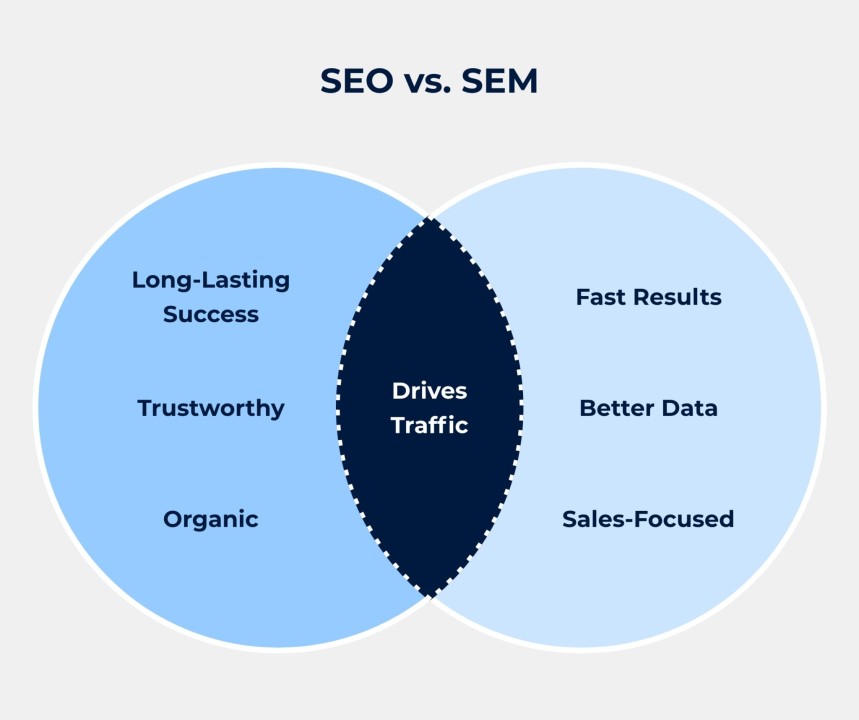
The Role of SEO and SEM in Digital Marketing
Search Engine Optimization (SEO) and Search Engine Marketing (SEM) are two crucial components of digital marketing strategies. While they share the common goal of enhancing a website’s visibility on search engine results pages, they differ in their approaches and techniques.
SEO: Enhancing Organic Visibility
SEO focuses on improving a website’s organic visibility by optimizing its content, structure, and technical aspects. This involves keyword research, on-page optimization, link building, and other strategies aimed at improving search engine rankings.
By implementing SEO best practices, websites can attract more organic traffic, increase their online presence, and establish authority in their niche. SEO is a long-term strategy that requires continuous monitoring and adjustments to stay competitive in the ever-evolving digital landscape.
SEM: Driving Paid Traffic
In contrast, SEM involves paid advertising to drive targeted traffic to a website. This includes pay-per-click (PPC) campaigns on search engines like Google Ads, as well as display advertising on relevant websites and social media platforms.
SEM allows businesses to reach their target audience quickly and effectively through targeted ads based on specific demographics, interests, and behaviours. By bidding on relevant keywords and optimizing ad copy, businesses can increase their visibility and drive conversions.
Integration for Maximum Impact
While SEO and SEM serve different purposes, they are most effective when integrated into a cohesive digital marketing strategy. By combining organic visibility with paid advertising, businesses can maximise their online presence and reach a wider audience.
Furthermore, data from SEM campaigns can inform SEO efforts by identifying high-performing keywords and content opportunities. This synergy between SEO and SEM can lead to improved search engine rankings, increased traffic, and higher conversion rates.
In Conclusion
In today’s competitive digital landscape, leveraging both SEO and SEM is essential for businesses looking to enhance their online visibility and drive meaningful results. By understanding the unique roles of each discipline and integrating them strategically into your digital marketing efforts, you can unlock new opportunities for growth and success.
Understanding SEO and SEM in Digital Marketing: Key FAQs Answered
- What is SEO and SEM in marketing?
- Is SEO or SEM better?
- What is SEO vs SEM vs PPC?
- What is SEM in digital marketing?
- What is SEO in digital marketing?
- What is SEO and SMM in digital marketing?
What is SEO and SEM in marketing?
In the realm of digital marketing, the frequently asked question “What is SEO and SEM in marketing?” often arises. Search Engine Optimization (SEO) refers to the practice of enhancing a website’s visibility on search engine results pages through organic means, such as optimizing content and technical aspects. On the other hand, Search Engine Marketing (SEM) involves paid advertising strategies to drive targeted traffic to a website, including pay-per-click campaigns and display advertising. Both SEO and SEM play integral roles in boosting online visibility, attracting relevant traffic, and ultimately achieving marketing objectives in the competitive digital landscape. Understanding the distinctions between SEO and SEM is key to developing a comprehensive digital marketing strategy that maximizes online presence and drives impactful results.
Is SEO or SEM better?
The frequently asked question of whether SEO or SEM is better in digital marketing often sparks debate among marketers. While both SEO and SEM play vital roles in enhancing online visibility and driving traffic, the choice between the two depends on specific goals and resources. SEO focuses on organic strategies to improve search engine rankings over time, while SEM involves paid advertising for immediate results. Ultimately, the effectiveness of SEO or SEM depends on factors such as budget, timeline, target audience, and overall marketing objectives. A well-rounded digital marketing strategy may incorporate elements of both SEO and SEM to maximise results and achieve a comprehensive online presence.
What is SEO vs SEM vs PPC?
A commonly asked question in the realm of digital marketing is the distinction between SEO, SEM, and PPC. Search Engine Optimization (SEO) involves improving a website’s organic visibility through strategies like keyword optimization and link building. On the other hand, Search Engine Marketing (SEM) encompasses paid advertising efforts to drive targeted traffic to a website, including pay-per-click (PPC) campaigns. While SEO focuses on organic growth, SEM combines both organic and paid strategies to enhance online visibility and reach a wider audience effectively. PPC is a specific form of SEM where advertisers pay a fee each time their ad is clicked, making it a valuable tool for driving immediate traffic and conversions. Understanding the differences between SEO, SEM, and PPC is essential for developing a comprehensive digital marketing strategy that maximises online presence and delivers tangible results.
What is SEM in digital marketing?
In digital marketing, SEM stands for Search Engine Marketing. SEM encompasses paid advertising strategies used to increase a website’s visibility on search engine results pages. Through techniques such as pay-per-click (PPC) campaigns and display advertising, SEM allows businesses to target specific audiences based on demographics, interests, and online behaviour. By investing in SEM, businesses can drive targeted traffic to their websites, increase brand awareness, and generate leads or sales effectively.
What is SEO in digital marketing?
In digital marketing, SEO, which stands for Search Engine Optimization, plays a vital role in enhancing a website’s visibility and organic traffic through strategic techniques and practices. SEO involves optimizing various elements of a website, such as content, keywords, meta tags, and backlinks, to improve its ranking on search engine results pages. By aligning with search engine algorithms and user intent, SEO aims to drive targeted organic traffic to a website and establish its authority in the online landscape. Ultimately, SEO is essential for businesses looking to boost their online presence, attract relevant audiences, and achieve sustainable growth in the competitive digital marketplace.
What is SEO and SMM in digital marketing?
In the realm of digital marketing, two frequently asked questions revolve around the distinctions between SEO and SMM. SEO, or Search Engine Optimization, focuses on enhancing a website’s organic visibility through strategies like keyword research and on-page optimization. On the other hand, SMM stands for Social Media Marketing, which involves leveraging social platforms to engage with audiences and promote products or services. While SEO aims to improve search engine rankings, SMM harnesses the power of social media to drive brand awareness and engagement. Both SEO and SMM play integral roles in a comprehensive digital marketing strategy, each offering unique benefits for reaching and connecting with target audiences effectively.
- digital agency
- digital marketing
- digital marketing agency
- digital marketing companies
- digital marketing company
- digital marketing seo
- digital seo
- digital strategy
- engine
- engine digital
- engineering
- marketing
- marketing agency
- marketing companies
- search engine marketing
- search marketing
- sem
- sem company
- sem search engine marketing
- sem services
- seo
- seo agencies
- seo agency
- seo companies
- seo company
- seo services
- service marketing
- strategy digital