
Exploring Effective Search Engine Optimization Techniques
Search Engine Optimization (SEO) is a crucial aspect of digital marketing that aims to improve a website’s visibility on search engine results pages. By employing effective SEO techniques, businesses can attract more organic traffic and enhance their online presence. Let’s delve into some key SEO techniques that can help boost your website’s performance:
Keyword Research:
Keyword research is the foundation of any successful SEO strategy. By identifying relevant keywords and phrases that your target audience is searching for, you can optimise your website content to rank higher in search results.
On-Page Optimization:
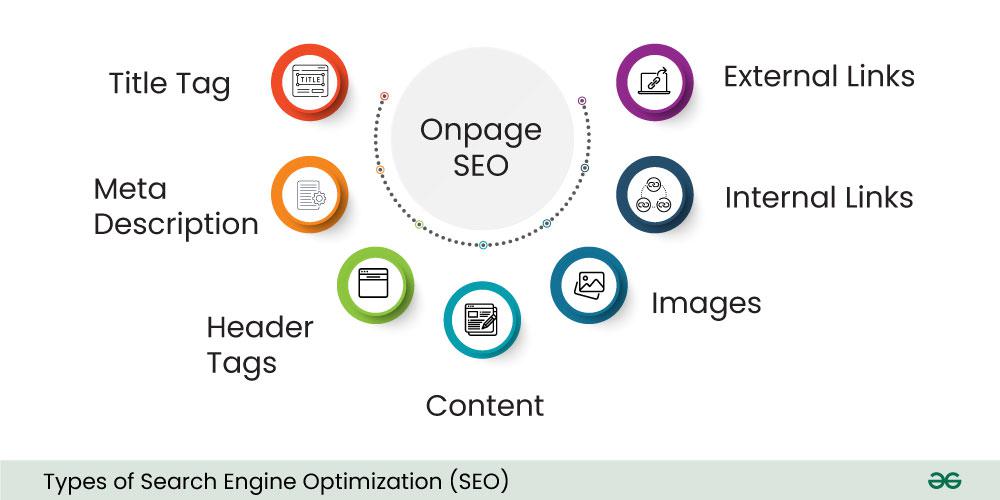
On-page optimization involves optimizing individual web pages to improve their search engine rankings. This includes creating high-quality content, optimizing meta tags, headers, and images, and ensuring a user-friendly website structure.
Link Building:
Link building is another essential SEO technique that involves acquiring backlinks from reputable websites. High-quality backlinks signal to search engines that your website is trustworthy and authoritative, which can positively impact your search rankings.
Mobile Optimization:
In today’s mobile-centric world, it’s crucial to ensure that your website is optimized for mobile devices. Mobile-friendly websites not only provide a better user experience but also rank higher in mobile search results.
Technical SEO:
Technical SEO focuses on optimizing the technical aspects of your website to improve its crawlability and indexability by search engines. This includes fixing broken links, improving site speed, and implementing structured data markup.
In conclusion, implementing effective SEO techniques is essential for improving your website’s visibility and attracting more organic traffic. By incorporating keyword research, on-page optimization, link building, mobile optimization, and technical SEO into your digital marketing strategy, you can enhance your online presence and drive business growth.
Understanding SEO: Key Techniques and Their Impact on Search Rankings
- What is search engine optimization (SEO) and why is it important?
- How does keyword research help in improving SEO performance?
- What are the key elements of on-page optimization for SEO?
- Why is link building important in SEO and how does it work?
- How can mobile optimization impact a website’s search engine rankings?
- What are some common technical aspects of SEO that need to be optimized?
- How long does it take to see results from implementing SEO techniques?
What is search engine optimization (SEO) and why is it important?
Search engine optimization (SEO) is the practice of enhancing a website’s visibility on search engine results pages through organic, non-paid methods. It involves various techniques and strategies aimed at improving a website’s ranking in search results for specific keywords and phrases. SEO is crucial for businesses and websites as it helps increase organic traffic, improve online visibility, and attract potential customers or visitors. By implementing effective SEO practices such as keyword research, on-page optimization, link building, and technical SEO, businesses can enhance their online presence and reach a wider audience. Ultimately, SEO plays a vital role in driving website performance, increasing brand awareness, and achieving long-term success in the competitive digital landscape.
How does keyword research help in improving SEO performance?
Keyword research plays a pivotal role in enhancing SEO performance by providing valuable insights into the search behaviour of users. By identifying and targeting relevant keywords that align with the interests and queries of the target audience, websites can optimise their content to rank higher in search engine results pages. Effective keyword research not only helps in attracting organic traffic but also improves the overall visibility and relevance of a website. By strategically incorporating researched keywords into website content, meta tags, and headers, businesses can significantly boost their SEO performance and increase their chances of reaching a wider online audience.
What are the key elements of on-page optimization for SEO?
When it comes to on-page optimization for SEO, several key elements play a crucial role in enhancing a website’s search engine visibility. These elements include creating high-quality and relevant content that incorporates targeted keywords strategically. Optimizing meta tags, headers, and images with keywords can also improve search rankings. Ensuring a user-friendly website structure, including easy navigation and fast loading times, is essential for both user experience and SEO performance. Additionally, internal linking within the website can help search engines better understand the site’s structure and content relevance. By focusing on these key elements of on-page optimization, businesses can effectively boost their SEO efforts and improve their online presence.
Why is link building important in SEO and how does it work?
Link building is a fundamental aspect of SEO that plays a crucial role in improving a website’s search engine rankings and online visibility. By acquiring high-quality backlinks from reputable websites, a website can establish its authority and credibility in the eyes of search engines. Link building works by creating connections between different websites through hyperlinks, indicating to search engines that the linked website is trustworthy and valuable. These backlinks act as votes of confidence, signalling to search engines that the content is relevant and deserving of higher rankings. Ultimately, link building enhances a website’s SEO performance by increasing its domain authority and attracting more organic traffic.
How can mobile optimization impact a website’s search engine rankings?
Mobile optimization plays a crucial role in determining a website’s search engine rankings. With the increasing use of mobile devices for browsing the internet, search engines like Google prioritize mobile-friendly websites in their rankings. Websites that are optimised for mobile not only provide a better user experience but also signal to search engines that they are responsive and user-friendly. As a result, websites that are not mobile-optimised may experience lower search engine rankings, as search engines aim to deliver the best possible results to users across all devices. Therefore, ensuring effective mobile optimization can significantly impact a website’s visibility and performance in search engine results pages.
What are some common technical aspects of SEO that need to be optimized?
When it comes to optimising the technical aspects of SEO, several key elements play a crucial role in enhancing a website’s search engine performance. Some common technical aspects that need to be optimised include website speed, mobile responsiveness, site structure and navigation, URL structure, meta tags and descriptions, image optimization, schema markup, internal linking, XML sitemaps, and robots.txt file configuration. By focusing on these technical factors and ensuring they are optimised effectively, businesses can improve their website’s crawlability, indexability, and overall search engine rankings.
How long does it take to see results from implementing SEO techniques?
One frequently asked question regarding search engine optimization techniques is, “How long does it take to see results from implementing SEO techniques?” The timeline for seeing results from SEO efforts can vary depending on various factors such as the competitiveness of keywords, the quality of the implemented strategies, and the current state of the website. Generally, it may take a few weeks to several months to observe significant improvements in search engine rankings and organic traffic after implementing SEO techniques. Consistent monitoring, adjustments, and patience are key when it comes to realising the full benefits of SEO efforts over time.