
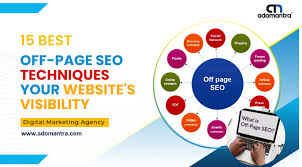
Off-Page SEO Strategy: Boosting Your Online Presence Beyond Your Website
When it comes to search engine optimization (SEO), off-page SEO plays a crucial role in enhancing your website’s visibility and authority in the digital landscape. While on-page SEO focuses on optimizing elements within your website, off-page SEO involves activities conducted outside of your site to improve its ranking on search engine results pages (SERPs).
Off-page SEO is all about building a strong online reputation and establishing credibility with search engines. By implementing effective off-page strategies, you can attract more traffic to your site, increase brand awareness, and ultimately drive conversions. Here are some key tactics to include in your off-page SEO strategy:
- Link Building: One of the most important aspects of off-page SEO is building high-quality backlinks from reputable websites. Backlinks act as “upvotes” for your site, signalling to search engines that your content is valuable and authoritative.
- Social Media Marketing: Engaging with your audience on social media platforms not only helps you connect with potential customers but also boosts brand visibility and drives traffic to your website. Sharing valuable content and interacting with followers can help improve your site’s authority.
- Online Reputation Management: Monitoring and managing online reviews, mentions, and comments about your brand is essential for building trust with both users and search engines. Positive reviews and mentions can enhance your credibility and improve your site’s ranking.
- Content Marketing: Creating high-quality, shareable content that resonates with your target audience can help attract natural backlinks from other websites. Guest blogging, infographics, videos, and other forms of content can all contribute to a robust off-page SEO strategy.
- Influencer Outreach: Collaborating with influencers in your industry can help amplify your brand message and reach a wider audience. Influencers can promote your content or products to their followers, driving traffic back to your site and improving its authority.
Implementing an effective off-page SEO strategy requires time, effort, and consistency. By focusing on building quality backlinks, engaging on social media, managing online reputation, creating valuable content, and leveraging influencer partnerships, you can boost your online presence beyond the confines of your website.
Remember that off-page SEO is an ongoing process that requires constant monitoring and adjustment. Stay proactive in implementing these strategies to enhance your site’s visibility, credibility, and ultimately drive success in the competitive digital landscape.
8 Key Benefits of Off-Page SEO Strategies for Enhancing Online Presence and Authority
- Enhances website’s authority and credibility
- Increases visibility on search engine results pages (SERPs)
- Drives more organic traffic to the website
- Boosts brand awareness and recognition
- Improves online reputation and trustworthiness
- Generates high-quality backlinks from reputable sites
- Expands reach to a wider target audience
- Helps in building strong relationships with influencers and industry leaders
Challenges of Off-Page SEO: Navigating Backlink Quality, Time Investment, and Impact Measurement
- Risk of acquiring low-quality backlinks that can harm your website’s reputation and SEO performance.
- Time-consuming process to build and maintain a strong off-page SEO strategy, requiring ongoing effort and resources.
- Difficulty in measuring the direct impact of off-page SEO efforts on search engine rankings and organic traffic, making it challenging to assess ROI.
Enhances website’s authority and credibility
One significant advantage of implementing an off-page SEO strategy is that it enhances a website’s authority and credibility in the digital realm. By building high-quality backlinks from reputable sources, engaging with audiences on social media platforms, and managing online reputation effectively, a website can establish itself as a trusted and reliable source of information. This enhanced authority not only improves the site’s ranking on search engine results pages but also instils confidence in users, leading to increased trust, brand loyalty, and ultimately, higher conversion rates.
Increases visibility on search engine results pages (SERPs)
Implementing a robust off-page SEO strategy significantly enhances a website’s visibility on search engine results pages (SERPs). By focusing on activities such as building high-quality backlinks, engaging in social media marketing, and managing online reputation, websites can climb higher in search engine rankings, making them more likely to be discovered by users searching for relevant content or products. This increased visibility not only drives organic traffic to the site but also establishes credibility and authority in the eyes of search engines and users alike.
Drives more organic traffic to the website
Implementing a robust off-page SEO strategy can significantly boost organic traffic to your website. By focusing on building high-quality backlinks, engaging with your audience on social media platforms, and creating shareable content, you can attract more visitors to your site through organic search. This increase in organic traffic not only enhances your website’s visibility but also helps improve its authority and credibility in the eyes of search engines, ultimately leading to higher rankings and greater online success.
Boosts brand awareness and recognition
An undeniable advantage of implementing an off-page SEO strategy is its ability to significantly boost brand awareness and recognition. By engaging in activities such as link building, social media marketing, and influencer outreach, businesses can extend their reach beyond their own websites and connect with a wider audience. This increased visibility not only helps in attracting more traffic to the site but also enhances brand credibility and authority in the digital realm. As more users come across the brand through various online channels, they are more likely to recognise and remember it, leading to improved brand recognition and a stronger presence in the competitive market landscape.
Improves online reputation and trustworthiness
One of the key advantages of implementing an off-page SEO strategy is its ability to enhance online reputation and establish trustworthiness. By building high-quality backlinks from reputable websites, engaging with audiences on social media platforms, and managing online reviews and mentions effectively, businesses can boost their credibility in the digital realm. This increased trust not only improves a website’s ranking on search engine results pages but also fosters a positive perception among users, ultimately leading to greater brand loyalty and higher conversion rates.
Generates high-quality backlinks from reputable sites
One significant advantage of implementing an off-page SEO strategy is its ability to generate high-quality backlinks from reputable sites. These backlinks act as valuable endorsements for your website, signalling to search engines that your content is trustworthy and authoritative. By securing backlinks from respected sources, you not only enhance your site’s credibility but also improve its chances of ranking higher in search engine results pages. This boost in visibility can drive more organic traffic to your site and ultimately contribute to the overall success of your online presence.
Expands reach to a wider target audience
An undeniable advantage of implementing an off-page SEO strategy is its ability to significantly expand the reach to a broader target audience. By engaging in activities such as link building, social media marketing, and influencer outreach, businesses can tap into new demographics and connect with potential customers who may not have otherwise discovered their website. This increased exposure not only boosts brand visibility but also opens up opportunities for reaching a diverse range of users, ultimately driving more traffic and potential conversions.
Helps in building strong relationships with influencers and industry leaders
An important benefit of off-page SEO strategy is its ability to facilitate the establishment of robust relationships with influencers and key figures in the industry. By engaging with influencers and industry leaders through collaborations, content partnerships, and mentions, businesses can enhance their credibility, expand their reach, and gain valuable endorsements that can significantly boost their online presence and authority. Building strong relationships with influencers not only drives traffic to the website but also opens up opportunities for brand exposure and growth in a competitive digital landscape.
Risk of acquiring low-quality backlinks that can harm your website’s reputation and SEO performance.
One significant drawback of off-page SEO strategy is the risk of acquiring low-quality backlinks that have the potential to harm your website’s reputation and SEO performance. When websites link to yours, search engines view these links as signals of credibility and relevance. However, if these backlinks come from spammy or irrelevant sites, they can negatively impact your site’s authority and ranking. It is crucial to be cautious and selective in acquiring backlinks to avoid tarnishing your website’s reputation and undermining your SEO efforts.
Time-consuming process to build and maintain a strong off-page SEO strategy, requiring ongoing effort and resources.
One significant drawback of off-page SEO strategy is the time-consuming nature of building and maintaining a robust approach. It demands continuous effort and dedicated resources to establish a strong online presence beyond the website. From cultivating quality backlinks to engaging on social media platforms, each aspect requires consistent attention and investment. This ongoing commitment can be challenging for businesses with limited time and resources, making it a conundrum for those seeking to enhance their online visibility through off-page SEO tactics.
Difficulty in measuring the direct impact of off-page SEO efforts on search engine rankings and organic traffic, making it challenging to assess ROI.
One significant drawback of off-page SEO strategy is the difficulty in measuring the direct impact of these efforts on search engine rankings and organic traffic. Unlike on-page SEO, where changes and optimizations can be directly observed within the website, the effects of off-page tactics such as link building and social media engagement are more indirect and complex to quantify. This lack of clear cause-and-effect relationship makes it challenging for businesses to accurately assess the return on investment (ROI) of their off-page SEO initiatives, leading to uncertainty in evaluating the effectiveness of their overall digital marketing efforts.