
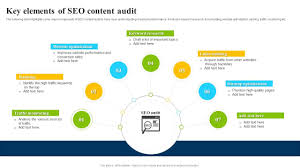
The Importance of SEO Content Audit
Search Engine Optimization (SEO) is a critical aspect of any successful online presence. One key component of an effective SEO strategy is conducting regular content audits to ensure that your website is optimized for search engines.
A content audit involves a comprehensive analysis of all the content on your website, including blog posts, articles, product descriptions, and more. The goal is to identify areas for improvement and optimization to enhance your site’s visibility in search engine results.
Here are some reasons why conducting an SEO content audit is crucial:
- Identifying Keyword Opportunities: By analysing your existing content, you can uncover valuable keyword opportunities that can help improve your search engine rankings.
- Improving Relevance: Ensuring that your content is relevant to your target audience and aligned with their search intent can boost organic traffic to your site.
- Fixing Technical Issues: A content audit can reveal technical issues such as broken links, duplicate content, or missing meta tags that may be hindering your site’s performance in search results.
- Enhancing User Experience: Optimizing your content based on user engagement metrics can lead to a better user experience and increased time spent on your site.
- Staying Competitive: Regularly auditing and updating your content helps you stay ahead of competitors and adapt to changes in search engine algorithms.
In conclusion, an SEO content audit is a vital process for any website looking to improve its search engine visibility and drive organic traffic. By identifying areas for improvement and implementing strategic changes, you can enhance the overall performance of your site and achieve better results in search engine rankings.
Maximise Your Website’s Potential: 5 Benefits of Conducting an SEO Content Audit
- Identifies keyword opportunities to improve search engine rankings
- Enhances content relevance for target audience and search intent alignment
- Fixes technical issues like broken links and duplicate content for better performance
- Improves user experience through content optimisation based on engagement metrics
- Helps website stay competitive by adapting to changes in search engine algorithms
7 Drawbacks of SEO Content Audits: Navigating Time, Resources, and Risks
- Time-Consuming Process
- Resource-Intensive
- Complexity
- Potential Disruption
- Limited Immediate Impact
- Risk of Over-Optimisation
- Constant Monitoring Required
Identifies keyword opportunities to improve search engine rankings
An essential benefit of conducting an SEO content audit is its ability to identify valuable keyword opportunities that can significantly enhance search engine rankings. By analysing existing content, businesses can pinpoint relevant keywords that resonate with their target audience and align with search intent. Incorporating these identified keywords strategically into the content can help boost organic traffic and improve visibility in search engine results pages, ultimately leading to increased online presence and better performance in search rankings.
Enhances content relevance for target audience and search intent alignment
Conducting an SEO content audit plays a crucial role in enhancing the relevance of content for the target audience and aligning it with search intent. By analysing existing content, businesses can identify key topics and keywords that resonate with their audience, ensuring that the information provided meets their needs and interests. This process not only improves user experience but also increases the likelihood of attracting qualified traffic to the website. Through strategic content optimisation based on search intent alignment, businesses can effectively engage with their target audience and drive valuable organic traffic to their site.
Fixes technical issues like broken links and duplicate content for better performance
An essential benefit of conducting an SEO content audit is the ability to address technical issues such as broken links and duplicate content, which can significantly impact a website’s performance. By identifying and rectifying these issues through the audit process, websites can improve their overall search engine rankings and user experience. Ensuring a clean and well-optimised website structure not only enhances visibility in search results but also contributes to a smoother navigation experience for visitors, ultimately leading to better performance metrics and increased online success.
Improves user experience through content optimisation based on engagement metrics
By conducting an SEO content audit that focuses on optimising content based on engagement metrics, businesses can significantly enhance user experience on their websites. By analysing user behaviour and preferences, such as time spent on page, bounce rate, and click-through rates, companies can tailor their content to better meet the needs and interests of their target audience. This results in a more engaging and relevant user experience, ultimately leading to increased user satisfaction and improved website performance in search engine rankings.
Helps website stay competitive by adapting to changes in search engine algorithms
An essential benefit of conducting SEO content audits is that they enable websites to stay competitive by adapting to changes in search engine algorithms. As search engines constantly update their algorithms to provide more relevant and accurate results to users, staying abreast of these changes is crucial for maintaining visibility and rankings. By regularly reviewing and optimising content based on the latest algorithm updates, websites can ensure that they remain competitive in the ever-evolving digital landscape, ultimately driving organic traffic and maximising online success.
Time-Consuming Process
One significant drawback of SEO content audit is its time-consuming nature, particularly when dealing with large websites that have a vast amount of content. The process of conducting a comprehensive audit requires meticulous analysis and evaluation of each piece of content, which can be a daunting task for website owners and SEO professionals alike. The time and effort needed to review, assess, and make necessary changes to optimise content can pose a challenge in terms of resource allocation and may delay the implementation of other critical SEO strategies.
Resource-Intensive
One notable drawback of conducting an SEO content audit is its resource-intensive nature. To carry out a thorough and effective content audit, substantial resources in the form of manpower and specialized tools are often required. This can pose a challenge for businesses with limited budgets or small teams, as the process demands dedicated time and expertise to analyse and optimise all aspects of the website’s content. The investment in resources for a comprehensive content audit may deter some organisations from reaping the full benefits of this essential SEO practice.
Complexity
The complexity of SEO content audit lies in the intricate process of analysing and interpreting data derived from the audit results. This task can present a significant challenge for individuals lacking expertise in SEO practices. Understanding the nuances of search engine algorithms, keyword research, and content optimization requires a specialised skill set that may be daunting for those unfamiliar with the intricacies of SEO. As a result, navigating through the complexities of an SEO content audit may prove to be a formidable task for individuals without the necessary expertise in this field.
Potential Disruption
An important con of conducting an SEO content audit is the potential disruption it may cause. Implementing changes based on the audit findings without careful consideration could lead to disruptions in the existing content flow and user experience. It is crucial to approach any modifications with caution to ensure that they enhance, rather than hinder, the overall user experience and engagement on the website. Balancing the need for SEO improvements with maintaining a seamless user journey is key to mitigating the risk of disruption during and after the audit process.
Limited Immediate Impact
One notable drawback of conducting an SEO content audit is the limited immediate impact it may have on search engine rankings. Unlike some quick-fix SEO strategies, the results of an audit often take time to manifest in improved search visibility. This delay can test the patience of website owners and marketers seeking immediate tangible outcomes, as the process of implementing changes and waiting for search engines to reindex content can be a gradual one. However, despite this limitation, the long-term benefits of a thorough SEO content audit in enhancing organic traffic and search performance make it a valuable investment for sustainable online success.
Risk of Over-Optimisation
One significant drawback of conducting an SEO content audit is the risk of over-optimisation. When content is excessively analysed for SEO purposes during an audit, there is a potential danger of resorting to unnatural keyword stuffing or other tactics that could have a detrimental impact on search engine rankings. This practice may compromise the quality and authenticity of the content, ultimately harming the website’s overall performance in search results. It is essential to strike a balance between optimising content for search engines and maintaining its relevance and value to the audience to avoid falling into the trap of over-optimisation during an SEO content audit.
Constant Monitoring Required
One drawback of SEO content audits is the constant monitoring and updating required to sustain optimal performance. Unlike a one-time task, content audits demand ongoing attention to ensure that the website’s content remains relevant, up-to-date, and aligned with current SEO best practices. This continuous need for monitoring can be time-consuming and resource-intensive, requiring a dedicated effort to keep pace with evolving search engine algorithms and user preferences. Failure to regularly update and optimise content following an audit may result in diminished search engine visibility and hinder the overall effectiveness of the SEO strategy.