
Optimizing Your Website for Google Search
When it comes to increasing your online visibility and driving organic traffic to your website, optimizing for Google search is essential. With the majority of internet users turning to Google as their primary search engine, ensuring that your website ranks well on Google can significantly impact your online success.
Keywords are Key
One of the fundamental aspects of optimizing your website for Google search is incorporating relevant keywords throughout your content. Conduct thorough keyword research to identify the terms and phrases that your target audience is searching for. Integrate these keywords naturally into your website’s content, including headings, meta tags, and image alt text.
Quality Content is Crucial
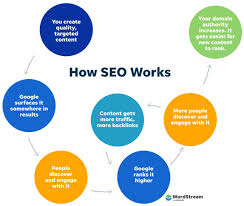
Google values high-quality, informative content that provides value to users. Create compelling and engaging content that addresses the needs and interests of your target audience. Regularly updating your website with fresh content not only improves your search engine rankings but also encourages visitors to return to your site.
Optimize Your Website’s Performance
Google considers user experience a key factor in determining search rankings. Ensure that your website loads quickly, is mobile-friendly, and easy to navigate. Optimizing images, using clean code, and implementing responsive design are all crucial elements in improving user experience and enhancing your site’s visibility on Google.
Build Quality Backlinks
Backlinks from reputable websites are a strong signal to Google that your site is trustworthy and authoritative. Focus on building quality backlinks from relevant sources within your industry. Guest blogging, social media engagement, and participating in online communities are effective strategies for acquiring valuable backlinks.
Monitor and Analyse Your Performance
Regularly monitor and analyse your website’s performance using tools like Google Analytics. Track key metrics such as organic traffic, bounce rate, and keyword rankings to gain insights into how well your site is performing in Google search results. Use this data to make informed decisions and continually refine your SEO strategy.
In conclusion, optimizing your website for Google search requires a multifaceted approach that encompasses keyword research, quality content creation, technical optimization, link building, and performance analysis. By following these best practices and staying abreast of algorithm updates, you can enhance your website’s visibility on Google and attract more organic traffic to achieve online success.
Top 20 FAQs on Optimising Your Website for Google Search
- How SEO optimized is a website?
- How do I optimize my website for SEO friendly?
- How to optimise a website on Google?
- How do I maximize Google search?
- How do I optimize my website for near me searches?
- How do websites optimize their search engine results?
- How do I make my website optimized?
- How do I make my website searchable on Google?
- How can I optimize my website for SEO for free?
- Is SEO worth it anymore?
- How do I get my website to show up on Google search?
- How do I optimize my website for local SEO?
- How do I optimize my website for local searches?
- What is the 80/20 rule in SEO?
- How do I optimize my website for Google search?
- How do I optimize my website for Google?
- How do I optimize an existing website?
- How do I Optimise my website?
- How do I optimize my website for Google ads?
- How do I SEO optimize my website?
How SEO optimized is a website?
When evaluating how SEO optimized a website is, several factors come into play to determine its effectiveness in ranking well on Google search results. The website’s use of relevant keywords, quality and engaging content, technical aspects such as site speed and mobile-friendliness, backlink profile from authoritative sources, and overall user experience all contribute to its SEO performance. Regular monitoring and analysis of key metrics are essential to gauge the website’s SEO health and make necessary adjustments to improve its visibility and organic traffic. By addressing these elements comprehensively, a website can enhance its SEO optimization and increase its chances of ranking higher on Google search.
How do I optimize my website for SEO friendly?
To optimise your website for SEO friendliness, start by conducting thorough keyword research to identify relevant terms and phrases that your target audience is searching for. Incorporate these keywords strategically throughout your website’s content, including headings, meta tags, and image alt text. Focus on creating high-quality, engaging content that provides value to users and encourages them to stay on your site. Ensure that your website is technically sound by improving its loading speed, implementing responsive design for mobile users, and optimising images for faster loading times. Building quality backlinks from reputable sources within your industry can also boost your site’s credibility in the eyes of search engines like Google. Regularly monitor your website’s performance using analytics tools to track key metrics and make data-driven decisions to continuously improve your SEO strategy.
How to optimise a website on Google?
Optimising a website for Google involves a strategic approach to improve its visibility and ranking on the search engine. Key steps include conducting thorough keyword research to target relevant terms, creating high-quality content that adds value to users, ensuring the website is technically sound and user-friendly, building quality backlinks from reputable sources, and regularly monitoring performance metrics using tools like Google Analytics. By implementing these best practices and staying informed about SEO trends, website owners can enhance their online presence and attract more organic traffic from Google search results.
How do I maximize Google search?
To maximise your presence on Google search, it is essential to focus on key aspects of search engine optimisation (SEO). Start by conducting thorough keyword research to identify relevant terms and phrases that your target audience is searching for. Incorporate these keywords strategically throughout your website’s content, meta tags, and headings. Create high-quality, engaging content that provides value to users and encourages them to stay on your site. Additionally, ensure that your website is technically optimized for performance, mobile-friendliness, and user experience. Building quality backlinks from reputable sources and regularly monitoring your website’s performance are also crucial steps in maximising your visibility on Google search results. By implementing these best practices consistently, you can enhance your website’s ranking and attract more organic traffic from Google.
How do I optimize my website for near me searches?
Optimizing your website for “near me” searches is crucial for local businesses looking to attract nearby customers. To enhance your visibility in these location-based searches, focus on incorporating local keywords that include your city or region in your website content. Ensure that your Google My Business listing is up-to-date with accurate information about your business address, contact details, and operating hours. Encourage satisfied customers to leave positive reviews, as these can boost your credibility and ranking in “near me” searches. Additionally, create location-specific landing pages and optimize your meta tags to include relevant geographical terms. By implementing these strategies, you can improve your chances of appearing in the search results when potential customers are looking for products or services near their location.
How do websites optimize their search engine results?
Websites optimize their search engine results by implementing a range of strategies aimed at improving their visibility and ranking on search engines like Google. This process, known as search engine optimization (SEO), involves various tactics such as keyword research and integration, creating high-quality content, ensuring technical aspects of the website are in order, building quality backlinks from reputable sources, and monitoring performance metrics to make data-driven decisions. By following best practices in SEO and staying updated with algorithm changes, websites can enhance their online presence and attract more organic traffic from search engines like Google.
How do I make my website optimized?
To make your website optimised for Google search, start by conducting comprehensive keyword research to identify relevant terms for your content. Integrate these keywords naturally throughout your website, including in headings, meta tags, and image descriptions. Create high-quality, engaging content that addresses the needs of your target audience. Ensure your website is technically sound by optimizing loading speed, implementing responsive design, and improving user experience. Build quality backlinks from reputable sources to establish credibility with Google. Regularly monitor and analyse your website’s performance using tools like Google Analytics to track progress and make informed decisions for ongoing optimization efforts.
How do I make my website searchable on Google?
To make your website searchable on Google, it is essential to focus on key aspects of search engine optimization (SEO). Start by conducting thorough keyword research to identify relevant terms and phrases that your target audience is likely to use when searching for your products or services. Incorporate these keywords strategically throughout your website’s content, including headings, meta tags, and image descriptions. Ensure that your website is well-structured and easy to navigate, with clear and descriptive URLs. Additionally, regularly update your site with fresh and high-quality content that provides value to users. Building quality backlinks from reputable sources and monitoring your website’s performance using analytics tools are also crucial steps in improving its visibility on Google search results. By implementing these best practices consistently, you can enhance your website’s searchability on Google and attract more organic traffic to your site.
How can I optimize my website for SEO for free?
Optimizing your website for SEO for free is indeed a common query among website owners looking to improve their online visibility. There are several cost-effective strategies you can implement to enhance your website’s search engine optimization without breaking the bank. Focus on conducting thorough keyword research to identify relevant terms, create high-quality content that incorporates these keywords naturally, optimize your website’s performance by improving loading speed and mobile-friendliness, and actively engage in building quality backlinks from reputable sources within your industry. By adopting these free SEO tactics and staying committed to best practices, you can effectively boost your website’s search rankings on Google without incurring significant expenses.
Is SEO worth it anymore?
In the ever-evolving landscape of digital marketing, the question of whether SEO is still worth investing in remains a common concern for many businesses. Despite changes in search engine algorithms and the emergence of new marketing channels, SEO continues to be a crucial component of any successful online strategy. While the tactics and best practices may shift over time, the fundamental principles of SEO – such as providing valuable content, optimizing for user experience, and building quality backlinks – remain as relevant as ever. Investing in SEO not only helps improve your website’s visibility on Google but also enhances brand credibility, drives organic traffic, and delivers long-term results. Therefore, embracing SEO as a strategic investment can still yield significant benefits for businesses looking to establish a strong online presence and reach their target audience effectively.
How do I get my website to show up on Google search?
To get your website to show up on Google search results, it is essential to implement effective search engine optimization (SEO) strategies. Start by conducting thorough keyword research to identify relevant terms and phrases that your target audience is searching for. Incorporate these keywords naturally into your website’s content, meta tags, and headings. Create high-quality, engaging content that provides value to users and regularly update your site with fresh information. Ensure that your website is technically optimized for performance, mobile-friendly, and easy to navigate. Building quality backlinks from reputable sources and monitoring your site’s performance through tools like Google Analytics are also crucial steps in improving your website’s visibility on Google search. By following these best practices and staying proactive in your SEO efforts, you can increase the chances of your website appearing prominently in Google search results.
How do I optimize my website for local SEO?
Optimizing your website for local SEO involves tailoring your online presence to target local customers searching for products or services in your area. To enhance your website’s visibility in local search results, focus on incorporating location-specific keywords throughout your content, optimizing your Google My Business listing with accurate information, and obtaining local backlinks from reputable sources. Additionally, ensure that your website is mobile-friendly and includes relevant local schema markup to provide search engines with context about your business’s location. By implementing these strategies effectively, you can improve your website’s ranking in local search results and attract more qualified leads from your target geographic area.
How do I optimize my website for local searches?
To optimize your website for local searches, start by ensuring that your business information, such as name, address, and phone number (NAP), is consistent across all online platforms, including your website, Google My Business listing, and local directories. Incorporate location-specific keywords into your content to signal to search engines that your website is relevant to local searches. Create location pages that provide detailed information about the areas you serve and include testimonials or reviews from local customers. Encourage customer reviews on platforms like Google My Business to boost your credibility and visibility in local search results. Additionally, leverage schema markup to provide search engines with structured data about your business’s location and services. By implementing these strategies, you can enhance your website’s visibility in local searches and attract more nearby customers.
What is the 80/20 rule in SEO?
The 80/20 rule in SEO, also known as the Pareto Principle, suggests that roughly 80% of the results in search engine optimization come from 20% of the efforts. In practical terms, this means that focusing on the key areas that yield the most significant impact on your website’s search visibility can lead to substantial improvements in rankings and organic traffic. By identifying and prioritising the most effective SEO strategies that deliver the best results, website owners can maximise their efforts and achieve significant gains in online performance.
How do I optimize my website for Google search?
When it comes to optimising your website for Google search, the key lies in a strategic approach that encompasses various crucial elements. Begin by conducting thorough keyword research to identify relevant terms and phrases that your target audience is searching for. Integrate these keywords naturally into your website’s content, including headings, meta tags, and image alt text. Focus on creating high-quality, engaging content that provides value to users and regularly update your site with fresh information. Ensure your website is optimised for performance, including fast loading times, mobile-friendliness, and easy navigation. Building quality backlinks from reputable sources within your industry is also essential. Monitor and analyse your website’s performance using tools like Google Analytics to track key metrics and make informed decisions to refine your SEO strategy for optimal results in Google search rankings.
How do I optimize my website for Google?
To optimise your website for Google, start by conducting comprehensive keyword research to identify relevant terms and phrases that your target audience is searching for. Incorporate these keywords strategically throughout your website’s content, including headings, meta tags, and image alt text. Focus on creating high-quality, engaging content that provides value to users and regularly update your site with fresh material. Ensure your website is technically sound by optimizing its performance, making it mobile-friendly, and improving user experience. Building quality backlinks from reputable sources within your industry can also boost your site’s credibility in the eyes of Google. Monitor and analyse your website’s performance using tools like Google Analytics to track key metrics and refine your SEO strategy accordingly. By following these best practices and staying informed about algorithm updates, you can effectively optimise your website for Google search.
How do I optimize an existing website?
When looking to optimize an existing website for Google search, several key steps can be taken to enhance its visibility and performance. Begin by conducting a comprehensive audit of the website to identify areas for improvement, such as keyword usage, content quality, technical issues, and backlink profile. Implementing on-page SEO strategies, such as updating meta tags, improving site speed, and enhancing internal linking structure, can help boost the website’s search engine rankings. Additionally, creating fresh and engaging content regularly, building quality backlinks from reputable sources, and monitoring performance metrics using tools like Google Analytics are essential practices in optimising an existing website for Google search. By following these steps diligently and staying informed about SEO best practices, you can effectively enhance your website’s presence on Google and attract more organic traffic.
How do I Optimise my website?
Optimising your website for Google search involves a strategic approach to improve its visibility and ranking on the search engine results pages. To optimise your website effectively, start by conducting thorough keyword research to identify relevant terms and phrases that your target audience is searching for. Incorporate these keywords naturally into your website’s content, meta tags, and headings. Focus on creating high-quality, engaging content that provides value to users and encourages them to engage with your site. Ensure that your website is technically sound, mobile-friendly, and easy to navigate. Building quality backlinks from reputable sources and regularly monitoring your performance through analytics are also essential steps in optimising your website for Google search. By following these best practices and staying informed about SEO trends, you can enhance your website’s visibility and attract more organic traffic from Google.
How do I optimize my website for Google ads?
Optimizing your website for Google Ads involves several key strategies to maximise the effectiveness of your ad campaigns. Start by ensuring that your website’s landing pages are relevant to the ads you are running, with clear calls-to-action and compelling content that encourages visitors to take action. Conduct thorough keyword research to target the right audience and incorporate these keywords strategically into your website’s content. Optimise your website’s loading speed and ensure it is mobile-friendly to provide a seamless user experience. Regularly monitor and analyse the performance of your Google Ads campaigns, making adjustments as needed to improve their effectiveness and drive better results. By implementing these best practices, you can optimise your website for Google Ads and enhance the success of your online advertising efforts.
How do I SEO optimize my website?
To SEO optimize your website effectively, start by conducting thorough keyword research to identify relevant terms and phrases for your target audience. Integrate these keywords strategically throughout your content, including headings, meta tags, and image alt text. Focus on creating high-quality, engaging content that provides value to users and encourages them to stay on your site. Ensure that your website is technically optimized for search engines by improving loading speed, implementing mobile-friendly design, and optimizing images. Building quality backlinks from reputable sources within your industry can also boost your site’s authority in the eyes of Google. Regularly monitor and analyse your website’s performance using tools like Google Analytics to track key metrics and make data-driven decisions to enhance your SEO strategy.